


Erectile dysfunction (ED), also known as impotence, is a common issue that affects many men as they get older. If you’re over 30 and noticing trouble getting or keeping an erection firm enough for sex, you’re not alone.
 ED becomes more common after age 30, and by age 40, about 40% of men experience it to some degree. The good news? It’s often treatable, and understanding the causes is the first step to fixing it.
What Is Erectile Dysfunction?
Simply put, erectile dysfunction is when you can’t get or maintain a hard erection enough for satisfying sexual activity. It doesn’t mean something is wrong every time – occasional issues can happen to anyone due to tiredness or stress. But if it happens more than half the time, it might be ED.
Getting an erection involves your brain, hormones, nerves, blood vessels, and muscles all working together. Blood flows into the penis, making it firm. If anything blocks this process – like poor blood flow, nerve problems, low hormones, or even stress – ED can occur.
For men over 30, a mix of physical and lifestyle factors often plays a role, and it can be an early warning sign of other health issues like heart disease or diabetes.
ED isn’t just “in your head” or a normal part of aging you have to accept. Most cases have real causes that doctors can address. Let’s look at the 15 most common ones, based on advice from trusted source.
1. Heart Disease and Poor Blood Flow (Vascular Problems)
Heart issues, like clogged arteries (atherosclerosis), are the top cause of ED in men over 30. The penis needs good blood flow to get hard, and the same plaque that blocks heart arteries can block penile ones.
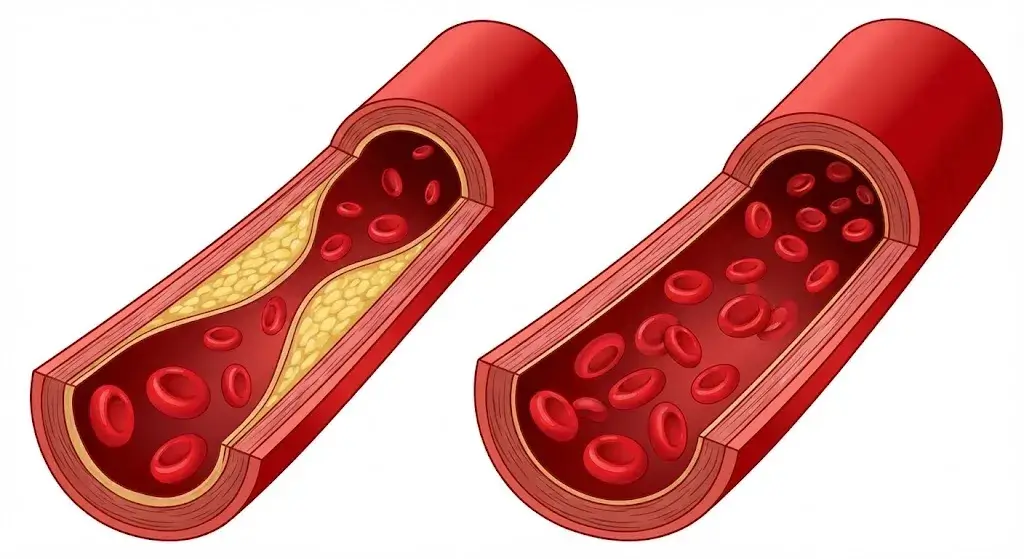
ED can even be the first sign of heart problems – sometimes years before a heart attack.
2. High Blood Pressure (Hypertension)
High blood pressure damages blood vessels over time, reducing flow to the penis. Many men over 30 start dealing with this, and meds for it can sometimes worsen ED.
3. Diabetes
Diabetes harms nerves and blood vessels, making ED 2-3 times more likely. Even if your blood sugar is mostly controlled, long-term high levels can cause trouble getting or keeping an erection.
4. High Cholesterol
Too much “bad” cholesterol builds plaque in arteries, limiting blood to the penis. This is super common after 30 and ties into heart disease risks.
5. Obesity and Being Overweight
Extra weight, especially around the belly, lowers testosterone, causes inflammation, and leads to vascular issues. Men with a BMI over 30 have a much higher chance of ED.
6. Low Testosterone (Low T)
Testosterone drops naturally after 30 (about 1% per year). Low levels can reduce sex drive and make erections harder. It’s not the only cause, but it’s common and easy to test.
7. Smoking and Tobacco Use
Smoking damages blood vessels and restricts flow everywhere – including the penis. Quitting can improve erections in weeks.
8. Too Much Alcohol
Heavy drinking (or even binge sessions) relaxes blood vessels too much short-term (“whiskey dick”) and causes hormone issues long-term. It also links to liver problems that worsen ED.
9. Stress and Anxiety
Work pressure, money worries, or performance anxiety (fearing you won’t “perform”) can trigger ED, especially in your 30s and 40s when life gets busy. It’s often mixed with physical causes.
10. Depression
Feeling down affects brain chemicals needed for arousal. Many antidepressants can also cause ED as a side effect.
Also Read – How to Improve Intimacy in Relationship | Simple Tips for Long-Term Love
11. Certain Medications
Blood pressure pills (like beta-blockers), antidepressants (SSRIs), cholesterol meds, and others list ED as a common side effect. Always check with your doctor – switching types might help.
12. Lack of Exercise (Sedentary Lifestyle)
Not moving enough leads to poor circulation, weight gain, and low energy. Regular exercise boosts blood flow, testosterone, and mood – all great for better erections.
13. Sleep Problems (Like Sleep Apnea)
Poor sleep lowers testosterone and causes fatigue. Untreated sleep apnea is linked to ED in many men over 30.

14. Pornography Overuse or Excessive Masturbation
For some men, heavy porn use creates unrealistic expectations or desensitizes the brain’s reward system, making real sex less exciting (sometimes called porn-induced ED).
15. Chronic Kidney Disease or Other Ongoing Illnesses
Conditions like kidney issues, multiple sclerosis, or Parkinson’s damage nerves or blood flow. Prostate treatments (surgery or radiation) can also cause temporary or permanent ED.
Many men have more than one of these factors – like obesity plus stress plus high cholesterol. That’s why ED often gets worse with age if not addressed.
What Can You Do About It?
Don’t ignore ED – it’s often a sign to check your overall health. See a doctor (urologist or your primary care provider) for a simple check-up. They might test blood pressure, cholesterol, testosterone, or blood sugar.
Treatments work for most men:
- Lifestyle changes: Lose weight, exercise 30 minutes most days, quit smoking, cut alcohol.
- Pills like Viagra or Cialis (improve blood flow).
- Therapy for stress/anxiety.
- Testosterone replacement if levels are low.
- Other options like pumps, injections, or counseling.
ED is common, but it’s not something you have to live with. Many men over 30 regain great sex lives by tackling the root cause early. Talk openly with your partner and doctor – it can strengthen relationships and improve your health overall.
If you’re experiencing trouble getting an erection, weak erections, or lost interest in sex, get checked soon. You’re taking a positive step just by reading this!
FAQs
Q. Is it normal to start having erection problems after age 30?
Yes, it’s very common. By age 40, about 40% of men experience erectile dysfunction to some degree. It becomes more frequent with each decade, but it’s not an unavoidable part of aging—most cases are treatable when the underlying cause is addressed.
Q. When should I be worried about occasional trouble getting hard?
Occasional issues due to stress, tiredness, or alcohol are normal and happen to everyone. It only qualifies as erectile dysfunction (ED) if you can’t get or keep an erection firm enough for sex more than half the time. If it’s happening regularly, it’s worth getting checked.
Q. Can erectile dysfunction be an early warning sign of something more serious?
Absolutely. ED is often the first symptom of heart disease, diabetes, or clogged arteries—sometimes appearing years before a heart attack or other major event. That’s why doctors say “what’s bad for your heart is bad for your penis.”
Q. Will Viagra or Cialis fix my ED permanently?
No. Pills like Viagra, Cialis, Levitra, etc., treat the symptom (they help you get an erection while the medication is active), but they don’t fix the root cause. Lifestyle changes, treating high blood pressure/diabetes, quitting smoking, or hormone therapy are what can actually reverse or significantly improve ED for many men.
Q. I’m only in my 30s—could this really be happening to me already?
Yes. While ED becomes much more common after 40–50, plenty of men in their 30s deal with it because of obesity, stress, high blood pressure, low testosterone, heavy drinking, smoking, or a combination of these factors. The good news is that men in their 30s usually respond extremely well to treatment and lifestyle changes.
References
- Mayo Clinic – Erectile Dysfunctionhttps://www.mayoclinic.org/diseases-conditions/erectile-dysfunction/symptoms-causes/syc-20355776 (Gold-standard overview; supports prevalence, all major physical/psychological causes, and treatment options)
- Cleveland Clinic – Erectile Dysfunctionhttps://my.clevelandclinic.org/health/diseases/10035-erectile-dysfunction (Highly respected; confirms “40% by age 40” trend, vascular link to heart disease, and reversibility with lifestyle changes)
- Harvard Health – Erectile Dysfunction (Harvard Medical School) https://www.health.harvard.edu/mens-health/5-natural-ways-to-overcome-erectile-dysfunction (Excellent evidence-based summary; strongly supports ED as an early warning for cardiovascular disease and the power of lifestyle fixes)
- American Urological Association (AUA) Guideline on Erectile Dysfunction (2018, reaffirmed 2024) https://www.auanet.org/guidelines-and-quality/guidelines/erectile-dysfunction-(ed)-guideline (The official clinical guideline used by urologists worldwide; validates all 15 causes listed and the treatment hierarchy)
- NIH / National Institute of Diabetes and Digestive and Kidney Diseases – Erectile Dysfunctionhttps://www.niddk.nih.gov/health-information/urologic-diseases/erectile-dysfunction (U.S. government source; rock-solid on diabetes/obesity/sleep apnea links and the fact that most ED is treatable)