

Understanding HIV and AIDS is crucial for personal and public health. This condition affects millions globally, but with modern medicine, it is no longer a death sentence.
Knowledge about how the virus spreads, its symptoms, and available treatments empowers us to protect ourselves and support those living with the condition.
This guide will walk you through everything you need to know about Human Immunodeficiency Virus (HIV) and Acquired Immunodeficiency Syndrome (AIDS).
We will cover the fundamental differences between HIV and AIDS, explore the causes, and detail the effects of HIV/AIDS. You will also learn about the signs and symptoms, modern AIDS treatment options, and effective prevention methods.
By the end, you will have a clear understanding of this complex condition.
What Are HIV and AIDS?
It’s common to hear HIV and AIDS used together, but they are not the same thing. Understanding their distinction is the first step toward dispelling myths and reducing fear.
HIV: Human Immunodeficiency Virus
First, let’s define the HIV meaning. HIV stands for Human Immunodeficiency Virus. This is a virus that attacks the body’s immune system. Specifically, it targets CD4 cells (also known as T cells), which are essential for fighting off infections.
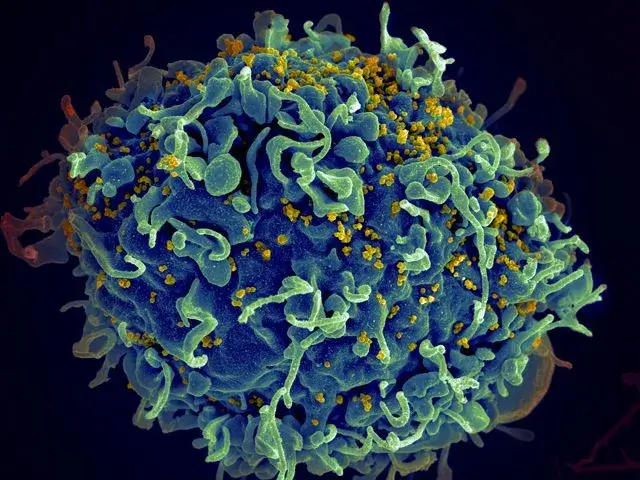
HIV is a type of virus known as a retrovirus, meaning it inserts a copy of its genetic material into the DNA of the cells it infects.
Over time, HIV destroys so many of these cells that the body can’t fight off infections and disease. However, with medical intervention, a person can live a long, healthy life with HIV.
AIDS: Acquired Immunodeficiency Syndrome
The AIDS full form is Acquired Immunodeficiency Syndrome. The AIDS full form in medical terms refers to the final, most severe stage of an HIV infection.
It is not a virus itself but a set of symptoms and illnesses (a syndrome) that occur when the immune system is severely damaged by HIV.
A person is diagnosed with AIDS when their CD4 cell count drops below 200 cells per cubic millimeter of blood. A healthy person’s CD4 count ranges from 500 to 1,600.
An AIDS diagnosis can also be made if a person with HIV develops one or more specific opportunistic infections, regardless of their CD4 count. Thanks to effective treatment, not everyone with HIV will progress to AIDS.
Causes of HIV/AIDS
The primary cause of HIV infection is the virus itself. The main question is how it spreads from one person to another. HIV is transmitted through specific bodily fluids from a person who has HIV. These fluids include:
- Blood
- Semen and pre-seminal fluid
- Rectal fluids
- Vaginal fluids
- Breast milk
For transmission to occur, these fluids must come into contact with a mucous membrane (found in the rectum, vagina, penis, and mouth) or damaged tissue, or be directly injected into the bloodstream.
The most common causes of AIDS and HIV transmission are:
- Having unprotected sex: Anal or vaginal sex with someone who has HIV without using a condom is a primary mode of transmission.
- Sharing needles or syringes: This is common among people who inject drugs, as needles can carry infected blood from one person to another.
- From mother to child: An untreated mother can pass HIV to her baby during pregnancy, childbirth, or through breastfeeding.
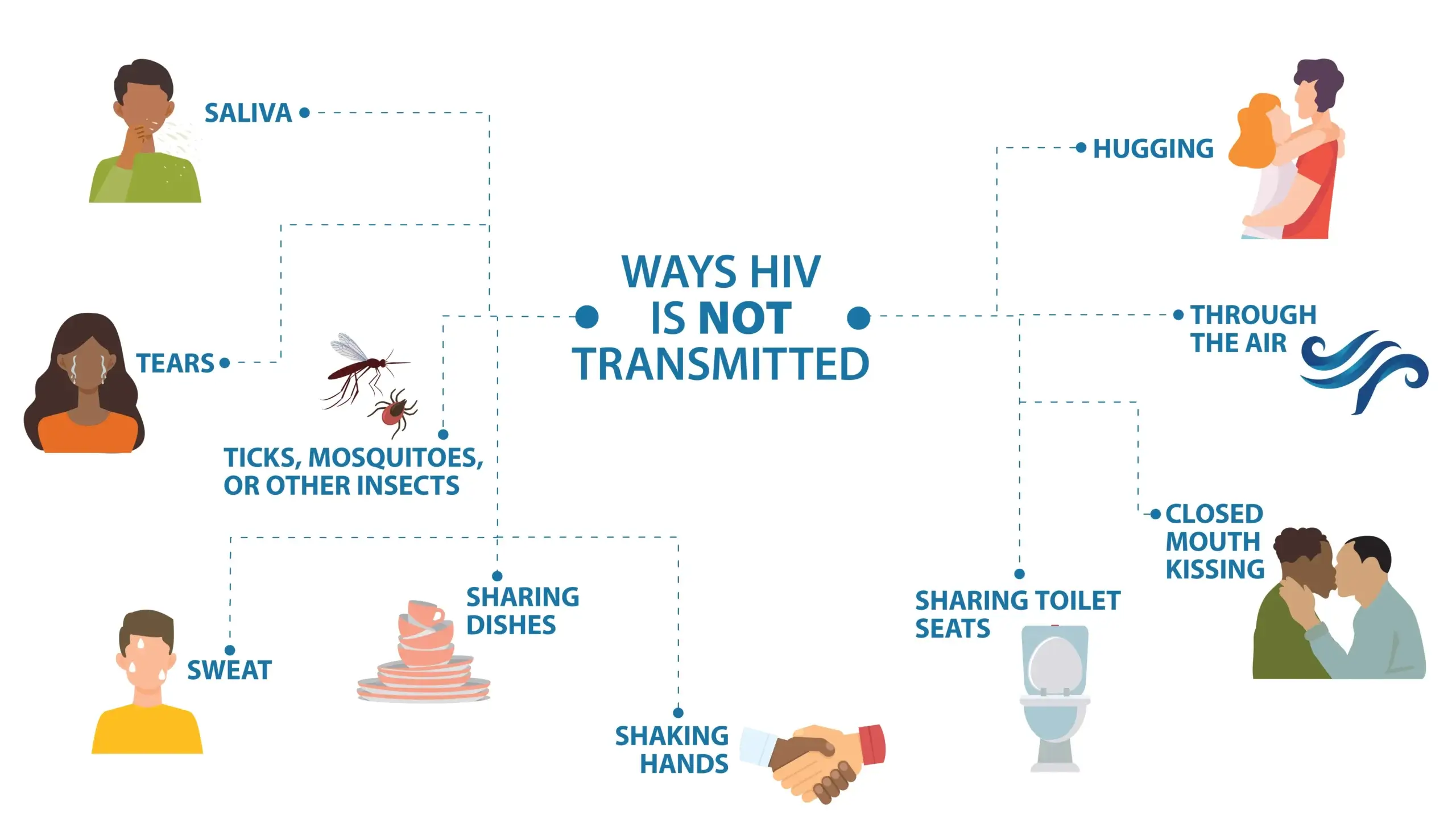
HIV is not spread through casual contact. You cannot get it from hugging, shaking hands, sharing toilets, or through insect bites. The virus does not survive long outside the human body.
Symptoms of HIV and AIDS
The symptoms of HIV and AIDS vary depending on the stage of the infection.
Stage 1: Acute HIV Infection
Within 2 to 4 weeks after infection, some people may experience flu-like symptoms. This is the body’s natural response to the infection. These early AIDS symptoms, or more accurately, primary HIV symptoms, can include:
- Fever and chills
- Sore throat
- Fatigue
- Swollen lymph nodes
- Muscle aches and joint pain
- Rash
- Night sweats
These symptoms can be mild and are often mistaken for another illness. During this stage, the viral load (amount of HIV in the blood) is very high, making transmission to others more likely.
Stage 2: Clinical Latency (Chronic HIV)
After the initial phase, HIV moves into a chronic stage, which can last for many years for people not on treatment. During this period, many people have no symptoms at all.
The virus is still active but reproduces at very low levels. Without treatment, this stage can last for a decade or longer, but some people may progress faster.
Stage 3: AIDS
When HIV has severely damaged the immune system, it progresses to AIDS. Symptoms at this stage are often the result of opportunistic infections that the body can no longer fight. These AIDS symptoms include:
- Rapid weight loss
- Recurring fever or profuse night sweats
- Extreme and unexplained tiredness
- Prolonged swelling of the lymph glands
- Chronic diarrhea
- Sores of the mouth, anus, or genitals
- Pneumonia
- Neurological disorders
- Skin rashes or bumps
Effects of HIV/AIDS on the Body
The primary effect of HIV is the weakening of the immune system. This leaves the body vulnerable to a wide range of infections and cancers that a healthy immune system would normally handle. These are known as opportunistic infections.
Some common effects of HIV/AIDS and related complications include:
- Pneumocystis pneumonia (PCP): A fungal infection that can cause severe lung illness.
- Candidiasis (Thrush): A fungal infection causing a thick, white coating on the mouth, tongue, esophagus, or vagina.
- Tuberculosis (TB): A leading cause of death among people with AIDS worldwide.
- Kaposi’s sarcoma: A type of cancer that causes lesions on the skin, in the mouth, and in internal organs.
- Wasting syndrome: Severe weight loss often accompanied by diarrhea, weakness, and fever.
- Neurological complications: HIV can affect the brain and nervous system, leading to memory loss, confusion, depression, and difficulty walking.
HIV and AIDS Treatment Options
There is no cure for HIV/AIDS, but treatment can control the virus and allow people to live long, healthy lives. The primary AIDS treatment is Antiretroviral Therapy (ART).
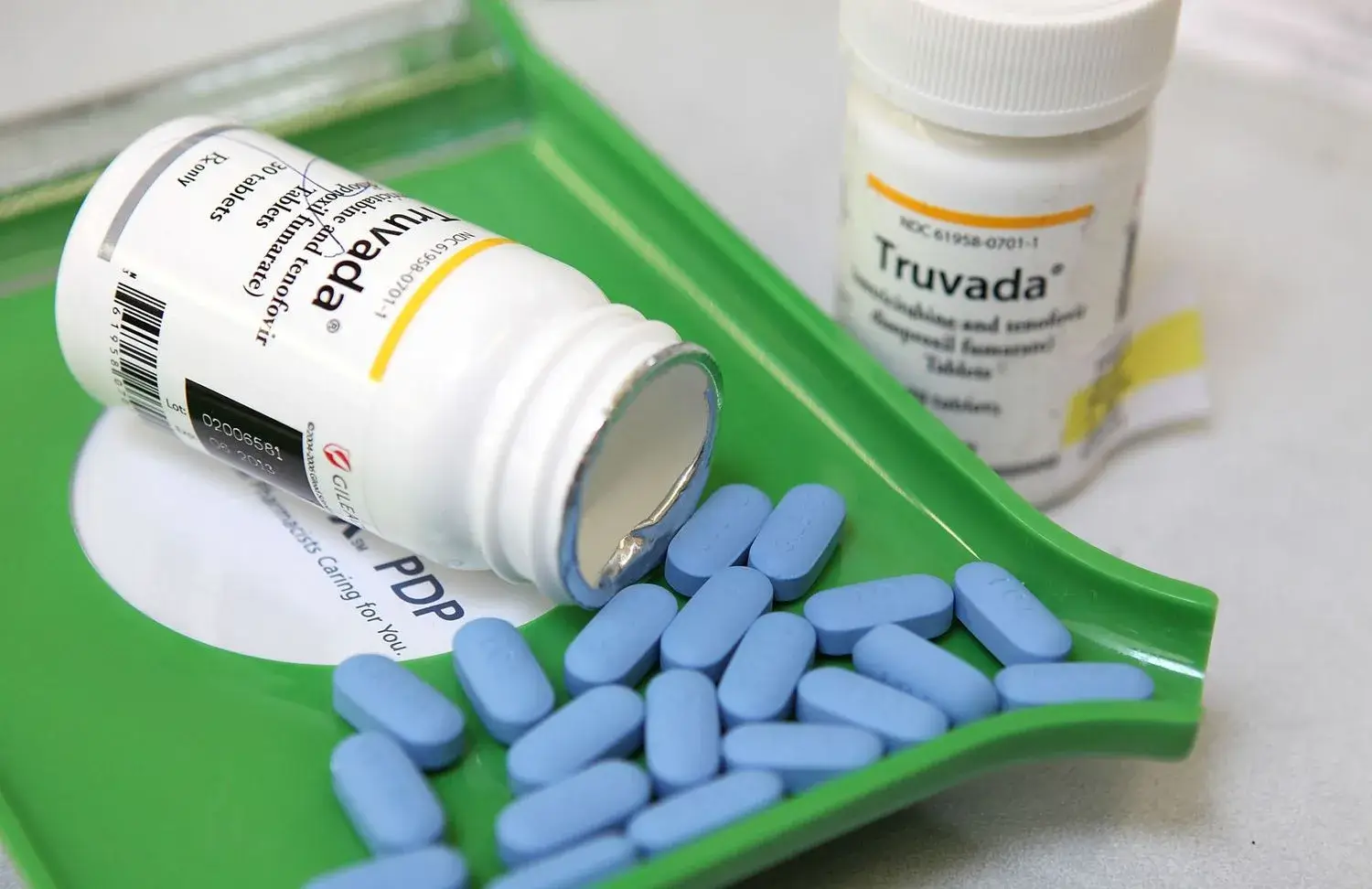
ART involves taking a combination of HIV medicines every day. These drugs work by preventing the virus from multiplying, which reduces the amount of HIV in the body (the viral load).
The goal of ART is to achieve an “undetectable” viral load. This means the level of HIV in the blood is too low to be detected by a standard test.
Having an undetectable viral load is the best thing a person with HIV can do to stay healthy. It also has a major prevention benefit: people with an undetectable viral load have effectively no risk of transmitting HIV to their sexual partners.
Other Advancements
Treatment has become much simpler over the years. Many people can now manage their condition by taking just one pill a day. Injectable treatments are also available, which can be administered every one or two months, offering an alternative to daily pills. Research continues, with scientists working toward a cure and a preventive vaccine.
Prevention Strategies
Preventing HIV infection is a key public health goal. Several strategies can significantly reduce your risk.
- Use Condoms: Consistently and correctly use condoms during vaginal, anal, and oral sex.
- Use Clean Needles: If you inject drugs, never share needles, syringes, or other drug equipment.
- Limit Your Sexual Partners: Reducing your number of sexual partners can decrease your likelihood of encountering someone with HIV.
- Pre-Exposure Prophylaxis (PrEP): PrEP is a medicine people at risk for HIV take to prevent getting HIV from sex or injection drug use. When taken as prescribed, PrEP is highly effective.
- Post-Exposure Prophylaxis (PEP): PEP is an emergency measure. It involves taking ART medicines after a potential exposure to HIV to prevent becoming infected. PEP must be started within 72 hours of exposure.
- Treatment as Prevention (TasP): If you are living with HIV, taking your ART medication as prescribed to maintain an undetectable viral load is a powerful way to prevent transmitting the virus to others.
Living with HIV/AIDS
A diagnosis of HIV can be life-changing, but it does not have to be life-ending. With the right care and support, people with HIV can live full and productive lives.
Managing the Condition
- Adhere to Treatment: Taking your ART medication every day as prescribed is the most important step.
- Stay in Medical Care: Regular check-ups with your healthcare provider are essential to monitor your health and the effectiveness of your treatment.
- Live a Healthy Lifestyle: A balanced diet, regular exercise, adequate sleep, and avoiding smoking can boost your overall health and immune function.
- Protect Your Mental Health: Living with a chronic condition can be challenging. Seek support from friends, family, or mental health professionals if you experience anxiety or depression.
Reducing Stigma
Stigma and discrimination are significant barriers to HIV testing and treatment. We can all play a role in reducing it by:
- Educating Ourselves and Others: Share accurate information about how HIV is transmitted and treated.
- Using Person-First Language: Say “a person living with HIV,” not “an HIV-positive person.”
- Offering Support: Show compassion and support for people living with HIV, just as you would for anyone with a chronic health condition.
If you believe you have been exposed to HIV or are experiencing symptoms, it is vital to get tested. Contact a healthcare professional or visit a local clinic to discuss your concerns and get the confidential care you need. Early diagnosis and treatment are the keys to a long and healthy life.
HIV & AIDS Frequently Asked Questions
Q. What is the full form of AIDS and HIV?
HIV stands for Human Immunodeficiency Virus, which is the virus that attacks the body’s immune system. AIDS stands for Acquired Immunodeficiency Syndrome, which is the most advanced stage of an HIV infection, occurring when the immune system is severely damaged.
Q. How is HIV transmitted between people?
HIV is primarily transmitted through specific bodily fluids—blood, semen, vaginal fluids, rectal fluids, and breast milk. The most common ways it spreads are through unprotected sex with someone who has HIV or by sharing needles and syringes.
Q. What are the early symptoms of an HIV infection?
In the early stage (Acute HIV Infection), many people experience flu-like symptoms within 2 to 4 weeks of exposure. These can include fever, chills, sore throat, fatigue, swollen lymph nodes, muscle aches, and night sweats.
Q. Is there a cure for HIV or AIDS?
Currently, there is no cure for HIV or AIDS. However, the condition can be effectively managed with Antiretroviral Therapy (ART). By taking these medicines daily, people with HIV can reduce their viral load to undetectable levels and live long, healthy lives.
Q. What is the difference between PrEP and PEP?
PrEP (Pre-Exposure Prophylaxis) is a daily medication taken by people at risk for HIV to prevent getting the infection before exposure. PEP (Post-Exposure Prophylaxis) is an emergency medication taken after a potential exposure to HIV, which must be started within 72 hours to be effective.
References
- Centers for Disease Control and Prevention (CDC) – About HIV https://www.cdc.gov/hiv/about/index.html
- World Health Organization (WHO) – HIV and AIDS Fact Sheet https://www.who.int/news-room/fact-sheets/detail/hiv-aids
- UNAIDS – Frequently Asked Questions About HIV and AIDS https://www.unaids.org/en/frequently-asked-questions-about-hiv-and-aids
- HIV.gov – HIV Basics https://www.hiv.gov/hiv-basics
- NIH HIVinfo – HIV and AIDS: The Basics https://hivinfo.nih.gov/understanding-hiv/fact-sheets/hiv-and-aids-basics