

Hey there, fitness enthusiasts and health-conscious folks! If you’re navigating the world of vegetarian diets in India and wondering how to amp up your protein intake without touching meat, you’re in the right spot. Whether you’re aiming to shed those extra kilos, pack on some muscle at the gym, or just fuel your daily hustle with nutrient-packed meals, high protein vegetarian foods are your secret weapon.
In this guide, we’ll dive into the top 21 picks that are easily available across India – think soya chunks, paneer, moong dal, chickpeas, and more.
These aren’t just random suggestions; they’re backed by the latest nutrition trends from 2026, focusing on plant-based protein sources that support fat loss, muscle gains, and overall wellness.
Plus, we’ll cover how they fit into everyday Indian meals like dals, curries, and salads. Let’s get you powered up!
Why High Protein Vegetarian Foods Matters in Indian Diet
Protein is the building block of muscles, and for vegetarians in India, where diets often revolve around carbs like rice and roti, getting enough can be a game-changer.
A high protein vegetarian diet helps with weight loss by keeping you full longer, boosting metabolism, and preserving lean muscle during calorie cuts. For muscle building, it repairs tissues after workouts and supports growth when paired with strength training.
Recent studies highlight that plant-based proteins are just as effective as animal sources for muscle protein synthesis. A University of Illinois trial showed no difference in muscle gains between vegan and omnivorous diets, even at moderate intakes of 1.2g protein per kg body weight.
This is huge for Indian vegetarians, as it means staples like lentils and soya can deliver the same results as whey or meat, especially when combined for complete amino acids. Aim for 1.6-2.2g per kg body weight daily – that’s about 80-120g for most adults – to optimize fat loss and gym gains.
With rising trends in 2026, brands like Amul are rolling out high-protein paneer (up to 28g per 100g), making it easier than ever. Plant-based options also aid weight loss by being fiber-rich and low in calories, as per 2025 research on vegan diets reducing body fat faster.
But here’s the catch: Not all veg proteins are “complete” (with all essential amino acids), so mix them up – like dal with rice or paneer with roti. This vegetarian high protein diet plan isn’t about restriction; it’s about smart choices that fit your lifestyle, from busy office days to post-gym recovery.
Why You Shouldn’t Stick to Just One Protein Source
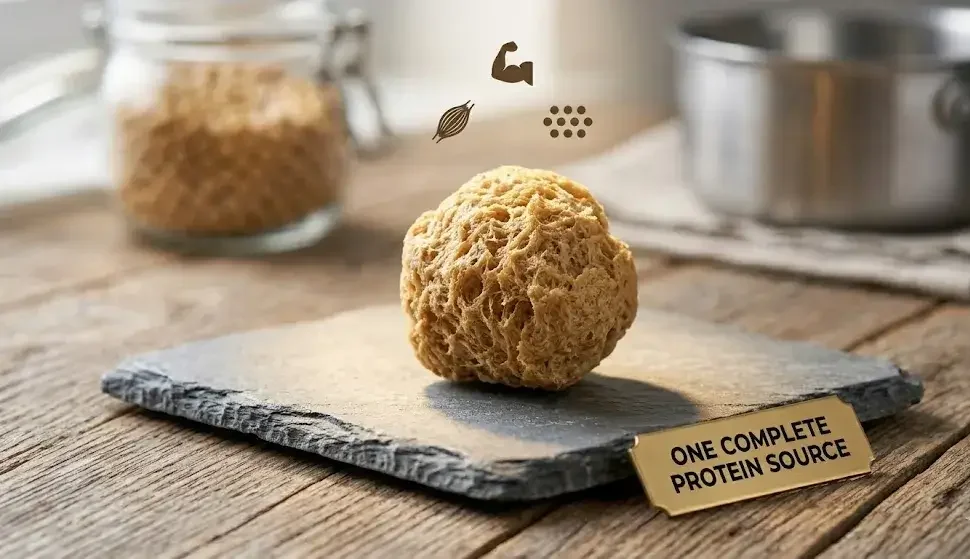
Relying only on paneer or dal? Big mistake! Different foods offer different amino acids and nutrients. Soya chunks are amazing for complete protein, but they lack some variety in micronutrients.
Paneer gives calcium and slow-digesting casein, while lentils add fiber and iron. Sticking to one can lead to imbalances, lower absorption, or boredom (hello, diet drop-off!).
In 2026 nutrition updates, experts stress variety for better gut health, sustained energy, and complete profiles. Mix legumes (dal, chana) with grains (rice, roti), nuts/seeds, and dairy/soy.
This combo creates “complete proteins” naturally – no fancy supplements needed. Rotate your top picks to keep meals exciting and your body thriving!
The Top 21 High Protein Vegetarian Foods in India
We’ve ranked these based on protein density (per 100g, approximate averages from reliable sources), availability, and versatility in Indian cooking. Each includes tips for weight loss (focus on low-cal versions) and muscle building (pair with workouts). Values can vary by brand or preparation, so check labels!
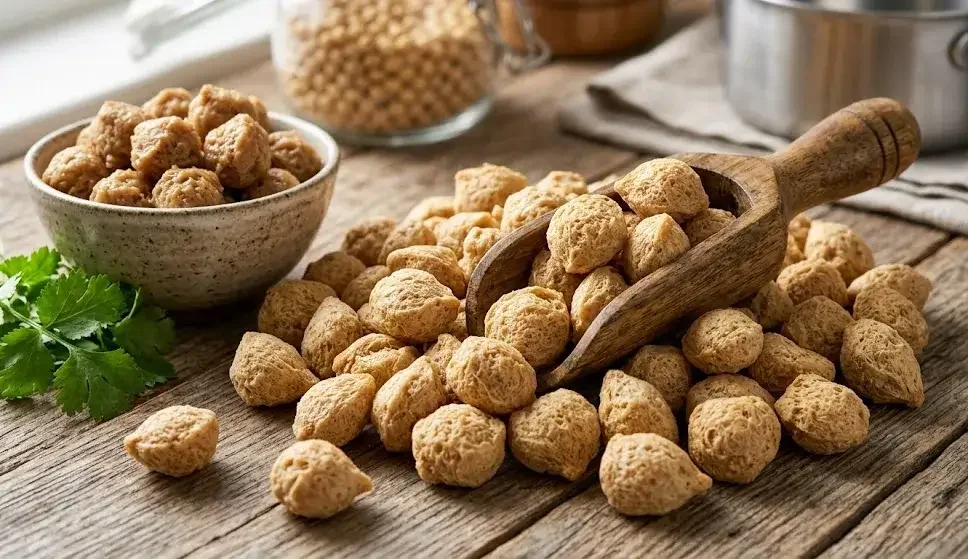
- Soya Chunks (Nutrela or similar) – ~52g protein (dry). This affordable powerhouse is a staple in Indian kitchens for curries and pulao. Low in fat, it’s ideal for weight loss as it curbs hunger. For muscle building, boil and add to salads post-workout. Try soya chunk masala for a high protein veg meal.
- Pumpkin Seeds – ~30g. Roast them for a crunchy snack. Packed with magnesium for muscle recovery, they’re calorie-dense – perfect in moderation for weight loss. Sprinkle on yogurt for extra gains.
- Peanuts – ~26g. Think roasted chana or peanut butter on whole-grain toast. Fiber helps with satiety during fat loss, while healthy fats fuel workouts. A handful daily boosts your vegetarian protein sources chart.
- Moong Dal (raw) – ~24g (cooked ~7-9g). Light and digestible, make sprouts or dal tadka. Great for weight loss due to low calories; sprouts enhance bioavailability for muscle repair.
- Besan (Gram Flour) – ~22g. Whip up chillas or kadhi. It’s gluten-free and filling, aiding portion control for slimming down. Add veggies for a balanced muscle-building breakfast.
- Paneer (Cottage Cheese) – 18-28g (high-protein brands like Amul). From tikka to bhurji, it’s versatile. Choose low-fat for weight loss; full-fat for bulking. Recent trends show enhanced versions with more protein per bite.
- Chickpeas (Chana) – ~19g (dry), ~8-10g cooked. Chole or roasted snacks – fiber-packed for sustained energy. Excellent for gym-goers as it pairs well with grains for complete proteins.
- Tempeh – ~19g. Fermented soy from brands like Hello Tempayy is gut-friendly and rising in popularity. Stir-fry for weight loss meals; it’s denser than tofu for muscle support.
- Almonds – ~21g. A quick handful provides vitamin E for recovery. Watch portions for calorie control in weight loss plans.
- Urad Dal (raw) – ~24g (cooked ~7-9g). Idli or dal makhani – high in iron too. Combine with rice for muscle-building completeness.
- Tofu – 10-18g. Palak tofu or scrambles absorb Indian spices well. Lean and low-cal, it’s a top pick for fat loss.
- Greek Yogurt / Hung Curd – ~10g. Raita or smoothies with probiotics. Thicker versions offer more protein; great for post-gym shakes.
- Kidney Beans (Rajma) – ~8-9g cooked. Rajma chawal is comfort food with benefits. Fiber aids digestion during weight loss.
- Lentils (Mixed Dals like Toor/Masoor) – ~7-9g cooked. Everyday dal – affordable and versatile. Mix types for a protein-rich veg foods list.
- Sprouted Moong – ~8-10g. Salads or chaat – nutrient boost makes it ideal for recovery and slimming.
- Quinoa – ~14g (cooked ~4-5g). Pulao alternative; complete protein for muscle gains without extra effort.
- Chia Seeds – ~17g. Pudding or in raita – omega-3s enhance fat burning.
- Hemp Seeds – ~32g. Sprinkle on meals; complete profile for serious builders, gaining traction in 2026.
- Green Peas (Matar) – ~5-9g. Matar paneer – adds volume to meals without many calories.
- Curd / Yogurt (Plain) – ~3-10g (Greek-style higher). Essential for cooling meals; pairs with fruits for snacks.
- Oats – ~13-17g. Upma or porridge – beta-glucan for heart health and sustained energy.
These foods align with 2026 trends emphasizing sustainable, local plant-based options like enhanced paneer and tempeh. Studies confirm they support equivalent muscle hypertrophy to meat diets when intake is matched.
How to Balance Protein Intake Throughout the Day
Spreading protein evenly beats cramming it into one meal. Why? Better muscle protein synthesis, steady energy, and no post-meal crashes. For vegetarians, aim for 20–40g per meal/snack across 3–5 eating times.
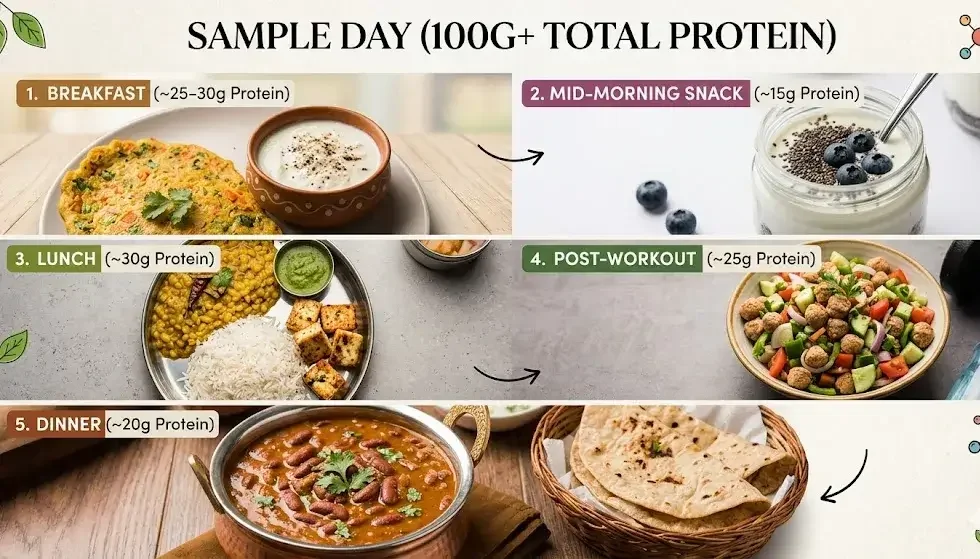
Sample day (100g+ total protein):
- Breakfast: Besan chilla + hung curd (~25–30g)
- Mid-morning snack: Greek yogurt with chia (~15g)
- Lunch: Moong dal + rice + paneer (~30g)
- Post-workout: Soya chunks salad (~25g)
- Dinner: Rajma/chole curry + roti (~20g)
Pro tip: Include protein at every meal/snack. Pair sources (dal + grain) for complete aminos. This even distribution supports better weight loss (stable hunger) and muscle building (constant repair signals). Track with an app if needed!
Common Myths About Vegetarian Protein
Let’s bust some 2026 myths floating around:
- Myth: You can’t get enough protein as a vegetarian. Fact: Easy with variety! Soya (52g/100g dry), paneer (up to 31g), and dals deliver plenty. No deficiency if you eat diverse plants.
- Myth: Plant proteins are incomplete and useless for muscle. Fact: Most aren’t “complete” alone, but combining (dal + rice, paneer + roti) fixes it. Latest studies show plant proteins match animal for gains when intake is matched.
- Myth: You need supplements to build muscle. Fact: Whole foods like soya chunks and high-protein paneer suffice. Supplements help if busy, but not essential.
- Myth: Vegetarian protein causes bloating or poor absorption. Fact: Sprouting, fermenting (tempeh), or cooking properly boosts digestibility. Fiber is a bonus for gut health!
Variety kills these myths – eat wide and thrive.
Wrapping It Up – Fuel Your Goals with These Power Foods
There you have it – your ultimate guide to the top 21 high protein vegetarian foods in India, tailored for weight loss and muscle building.
By weaving these into your meals, you’ll not only hit your fitness targets but also enjoy flavorful, sustainable eating. Start small, track your progress, and watch the transformation. Got questions? Drop them below – let’s build a healthier you together!
FAQs on High Protein Vegetarian Foods for Weight Loss & Muscle Building
Q. What are the best high protein vegetarian foods per 100g in India?
Top picks include soya chunks (52g), hemp seeds (32g), and paneer (up to 28g). These are readily available and fit Indian diets perfectly.
Q. Can a high protein vegetarian diet plan help with weight loss?
Yes! Foods like moong dal and tofu are low-cal yet filling, promoting fat loss while preserving muscle, as per 2025 studies.
Q. Which vegetarian protein sources are best for muscle building?
Complete ones like quinoa, tempeh, and paired dals with grains. They match meat for gains in resistance training.
Q. Are there high protein vegetarian foods in Hindi names for Indian meals?
Absolutely – soya chunks (सोया चंक्स), paneer (पनीर), moong dal (मूंग दाल), and chana (चना) are everyday staples.
Q. How much protein do I need in a high protein Indian vegetarian foods list?
Aim for 1.6-2.2g per kg body weight. For a 60kg person, that’s 96-132g daily from sources like chickpeas and almonds.