
Emergency contraception is an important option for reproductive health, offering a safety net when regular birth control methods fail or are not used.
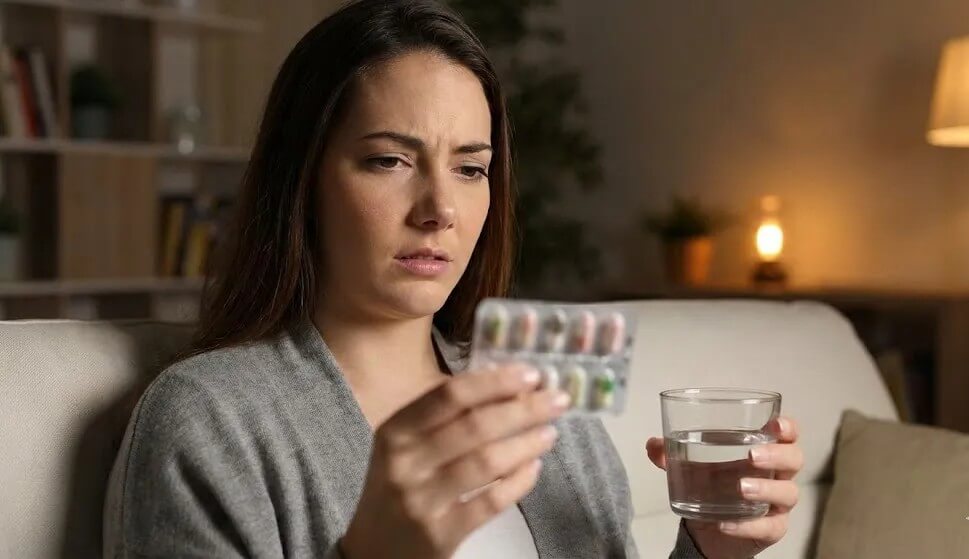
One of the most well-known emergency contraceptive pills is the I-Pill. While it is effective in preventing an unintended pregnancy, it’s essential to understand how it works and its potential effects on your body.
This guide will walk you through everything you need to know about the I-Pill, from its immediate side effects to its impact on your menstrual cycle and future fertility.
We will explore how it works, what to expect after taking it, and when it might be necessary to consult a healthcare professional.
What is the I-Pill and How Does It Work?
The I-Pill is an emergency contraceptive pill (ECP) designed to be taken after unprotected intercourse or contraceptive failure to prevent pregnancy.
It is not intended to be a regular form of birth control. The primary active ingredient in the I-Pill is levonorgestrel, a synthetic hormone that mimics the natural hormone progesterone.
The I-Pill works through a few key mechanisms, depending on where you are in your menstrual cycle when you take it:
- Delaying or Preventing Ovulation: Its main function is to prevent or delay the release of an egg from your ovary (ovulation).
If an egg isn’t released, sperm has nothing to fertilize, and pregnancy cannot occur. - Thickening Cervical Mucus: The pill can make the mucus in your cervix thicker.
This creates a barrier that makes it more difficult for sperm to travel through and reach any egg that might have been released. - Altering the Uterine Lining: It may also change the lining of the uterus (endometrium).
This makes it harder for a fertilized egg to attach and implant, thus preventing the start of a pregnancy.
It is crucial to understand that the I-Pill is not an abortion pill. It does not work if you are already pregnant, meaning it cannot terminate an existing pregnancy where the fertilized egg has already implanted in the uterus.
For the highest effectiveness, the I-Pill should be taken as soon as possible after unprotected sex, ideally within 72 hours (3 days). Its effectiveness decreases over time:
- Within 24 hours: Up to 95% effective
- Between 25-48 hours: Effectiveness drops to around 85%
- Between 49-72 hours: Effectiveness reduces to about 58%
Common Side Effects of the I-Pill
Because the I-Pill contains a high dose of a hormone, it can cause several temporary side effects. These effects vary from person to person, but some are more common than others.
Nausea and Vomiting
One of the most frequently reported side effects is nausea. Some women may also experience vomiting.
If you vomit within two to three hours of taking the pill, it may not have been fully absorbed into your system.
In this case, you should contact a doctor or pharmacist to ask if you need to take another dose.
Changes to Your Menstrual Cycle
The high dose of hormones can disrupt your natural menstrual cycle. This can lead to your next period being earlier or later than usual.
You might also experience spotting or unexpected bleeding before your next period.
Fatigue and Dizziness
Feeling tired or dizzy is another common side effect. It’s a good idea to rest and avoid strenuous activities after taking the pill if you feel this way.
Staying hydrated can also help manage these symptoms.
Headaches
Some women experience headaches after taking emergency contraception. This is typically a mild, temporary effect of the hormonal shift.
Abdominal Pain or Cramps
You might feel some lower abdominal pain or cramping. This discomfort is usually mild and should resolve within a day or two.
Breast Tenderness
The hormonal changes can also make your breasts feel tender or sore, similar to how they might feel before your period.
This is a temporary side effect that subsides as your hormone levels return to normal.
Does the I-Pill Impact Future Pregnancy?
A major concern for many women is whether using an emergency contraceptive like the I-Pill will affect their ability to get pregnant in the future.
The good news is that medical research shows no long-term impact on fertility.
The I-Pill provides a high but short-acting dose of hormones. Once the pill is out of your system, your body’s natural hormonal cycle and fertility return to normal. It does not cause infertility or make it harder to conceive later on.
The hormones in the I-Pill work to prevent a specific instance of potential pregnancy and do not have a lasting effect on your reproductive organs or ovulation cycles.
However, it’s important to distinguish between emergency use and regular use. While occasional use of the I-Pill does not harm future fertility, relying on it as your primary method of birth control is not recommended.
Frequent use can lead to persistent menstrual irregularities, making it difficult to track your fertile window when you do decide you want to conceive.
How the I-Pill Affects Your Period
One of the most noticeable effects of the I-Pill is on your menstrual cycle. The introduction of a large dose of levonorgestrel can temporarily throw your natural hormone balance off-kilter, leading to several changes.
When Will Your Period Come Back?
Most women will get their period within a week of its expected date. It might come a few days early or a few days late.
The timing of when you take the pill in your cycle can influence this.
For example, taking it in the first few weeks of your cycle might bring your period on earlier, while taking it later could delay it.
However, for some, the delay can be longer. If your period is more than a week late, it is a good idea to take a pregnancy test to rule out the possibility that the pill did not work.
Changes in Menstrual Flow

You might also notice a difference in your period itself. Your next period could be:
- Heavier or lighter than usual.
- Longer or shorter in duration.
- Associated with more or less cramping.
Spotting Between Periods
It’s also common to experience spotting or breakthrough bleeding in the days or weeks after taking the I-Pill. This is a result of the hormonal fluctuations and is usually not a cause for concern unless it is very heavy or prolonged.
These menstrual cycle changes are typically temporary. Your cycle should return to its regular pattern within a month or two.
Long-Term Risks of Frequent I-Pill Use
The I-Pill is safe for occasional, emergency use. However, it is not designed to be a regular contraceptive method. Relying on it frequently can lead to potential health issues.
Hormonal Imbalance
Frequent use of high-dose hormonal pills can disrupt your body’s natural endocrine system. This can lead to persistent menstrual irregularities, making your cycles unpredictable.
Chronic hormonal imbalance can also contribute to other issues like mood swings, acne, or changes in weight.
Increased Risk of Side Effects
The more often you take the I-Pill, the more likely you are to experience side effects like nausea, headaches, and menstrual disruptions.
While these are manageable for one-time use, experiencing them regularly can be unpleasant and disruptive to your life.
Ectopic Pregnancy Concerns
Some studies have suggested a potential link between frequent use of emergency contraception and a slightly increased risk of ectopic pregnancy.
An ectopic pregnancy occurs when a fertilized egg implants outside the uterus, usually in a fallopian tube.
This is a serious medical condition that requires immediate attention. While the risk is low, it’s an important consideration.
If you have severe abdominal pain after taking the I-Pill, especially if your period is late, seek medical advice promptly.
The I-Pill is also less effective at pregnancy prevention than regular contraceptive methods like daily birth control pills, IUDs, or condoms.
When to Seek Medical Advice

While most side effects of the I-Pill are mild and temporary, there are situations where you should consult a doctor.
- If you vomit within 2-3 hours of taking the pill: You may need to take another dose.
- If your period is more than a week late: You should take a pregnancy test. If it is positive, or if you are still unsure, see a doctor.
- If you experience severe, sharp abdominal pain: This could be a sign of an ectopic pregnancy, which is a medical emergency.
- If your next period is unusually heavy or prolonged: Or if you have heavy bleeding that lasts for more than a few days after taking the pill.
- If your menstrual irregularities persist for more than a couple of cycles: A doctor can help determine the cause and recommend a suitable regular contraceptive method.
- If you think you might have been exposed to a sexually transmitted infection (STI): Remember, the I-Pill only protects against pregnancy, not STIs.
Conclusion – Responsible Use of the I-Pill
The I-Pill is a safe and effective tool for emergency pregnancy prevention. It works by delaying ovulation and creating a less favorable environment for fertilization and implantation. While it comes with potential side effects like nausea, fatigue, and menstrual changes, these are usually temporary.
Importantly, the I-Pill does not affect your long-term fertility or your ability to have a healthy pregnancy in the future. However, the I-Pill is meant for emergencies only.
It should not replace regular contraception. If you find yourself needing emergency contraception frequently, it is a good idea to speak with a healthcare provider about finding a reliable, long-term birth control method that suits your lifestyle and health needs.
Being informed about your options allows you to take control of your reproductive health with confidence and care.
FAQs
Q. Does taking the I-Pill affect my ability to get pregnant in the future?
No. The I-Pill has no long-term impact on fertility.
Once the hormones leave your system (usually within a few days), your natural cycle and fertility return to normal. Occasional use is completely safe for future pregnancies.
Q. When should I take the I-Pill to get the best protection? Take it as soon as possible after unprotected sex.
It is up to 95% effective within 24 hours, 85% within 25–48 hours, and about 58% within 49–72 hours.
It must be taken within 72 hours (3 days) of unprotected intercourse.
Q. My period is more than a week late after taking the I-Pill. What should I do? Take a pregnancy test first. A delay of more than 7 days can happen because of the hormonal disruption, but it’s important to rule out pregnancy.
If the test is negative and you’re still worried, or if your period remains very irregular for the next couple of cycles, consult a doctor.
Q. I vomited 2 hours after taking the I-Pill. Do I need another dose? Yes, possibly. If you vomit within 2–3 hours of taking the pill, it may not have been fully absorbed.
Contact a doctor or pharmacist immediately to ask whether you should take another dose.
Q. Is it safe to use the I-Pill frequently instead of regular birth control?
No. The I-Pill is only for emergencies. Frequent or repeated use can cause persistent hormonal imbalance, unpredictable periods, more side effects, and a slightly higher risk of ectopic pregnancy.
It is also less effective than regular methods (daily pills, IUD, condoms, etc.). Talk to a doctor about a suitable long-term contraceptive if you need protection often.
References
Here are 5 reliable references with only the title and direct links:
- 1. Fortis Healthcare – I-Pill Side Effects
https://www.fortishealthcare.com/blogs/i-pill-side-effects - 2. Cleveland Clinic – Morning After Pill (Emergency Contraception)
https://my.clevelandclinic.org/health/treatments/23386-morning-after-pill - 3. Pristyn Care – I-Pill Side Effects on Future Pregnancy
https://www.pristyncare.com/blog/i-pill-side-effects-on-future-pregnancy-pc0101/ - 4. Mayo Clinic – Morning-after pill
https://www.mayoclinic.org/tests-procedures/morning-after-pill/about/pac-20394709 - 5. World Health Organization (WHO) – Emergency Contraception Fact Sheet
https://www.who.int/news-room/fact-sheets/detail/emergency-contraception