Breast Pain During Pregnancy: Trimester-Wise Changes
Breast pain tends to change in intensity as pregnancy progresses. Here is what to expect in each trimester.
| Trimester | What Usually Happens |
|---|---|
| First Trimester (Weeks 1-13) | Pain and tenderness are usually most intense as hormone levels rise sharply. |
| Second Trimester (Weeks 14-27) | Pain often eases, though breasts keep growing in size. |
| Third Trimester (Weeks 28-40) | Heaviness and tenderness may return as the body prepares for breastfeeding and colostrum leakage can begin. |
This pattern is not fixed for everyone. For most people, the most intense breast pain and sensitivity occur in the first trimester, and it usually subsides or becomes less noticeable in the second trimester, although some discomfort and heaviness may return in the third.
Breast changes vary widely between women. Some pregnant people experience breast tenderness throughout their entire pregnancy, while others have very little if any discomfort. Both patterns are considered normal.
What Does Breast Pain During Pregnancy Feel Like?
Breast pain in pregnancy can feel different from ordinary period-related soreness. Common sensations include:
- Dull aching or throbbing, especially in early weeks
- Heaviness and fullness as breasts grow
- Tingling or sensitivity in the nipples and areola
- Visible, more prominent veins on the breast
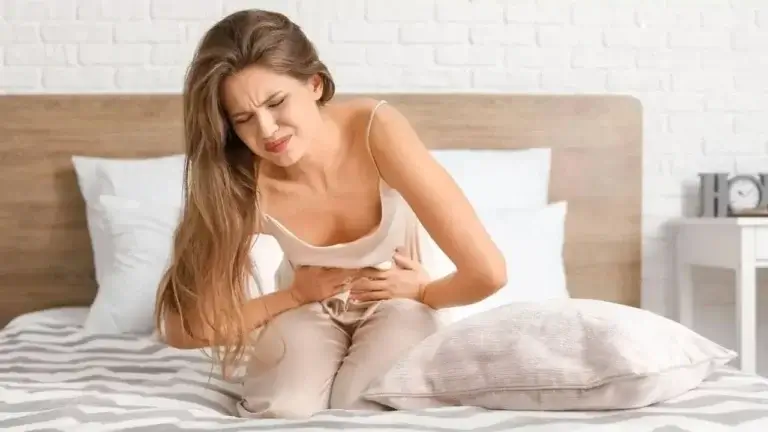
Pregnancy-related breast changes can also be more noticeable than typical PMS symptoms. Breast pain and soreness from pregnancy can be much more intense than that caused by PMS, is also likely to last longer, and the veins on the breasts may be more visible than usual while the areolas may be larger and bumpier.
Safe Ways to Relieve Breast Pain During Pregnancy
Most breast pain during pregnancy can be managed with simple home measures. These steps do not treat an underlying illness, only everyday hormonal discomfort.
1. Wear a Supportive, Well-Fitting Bra
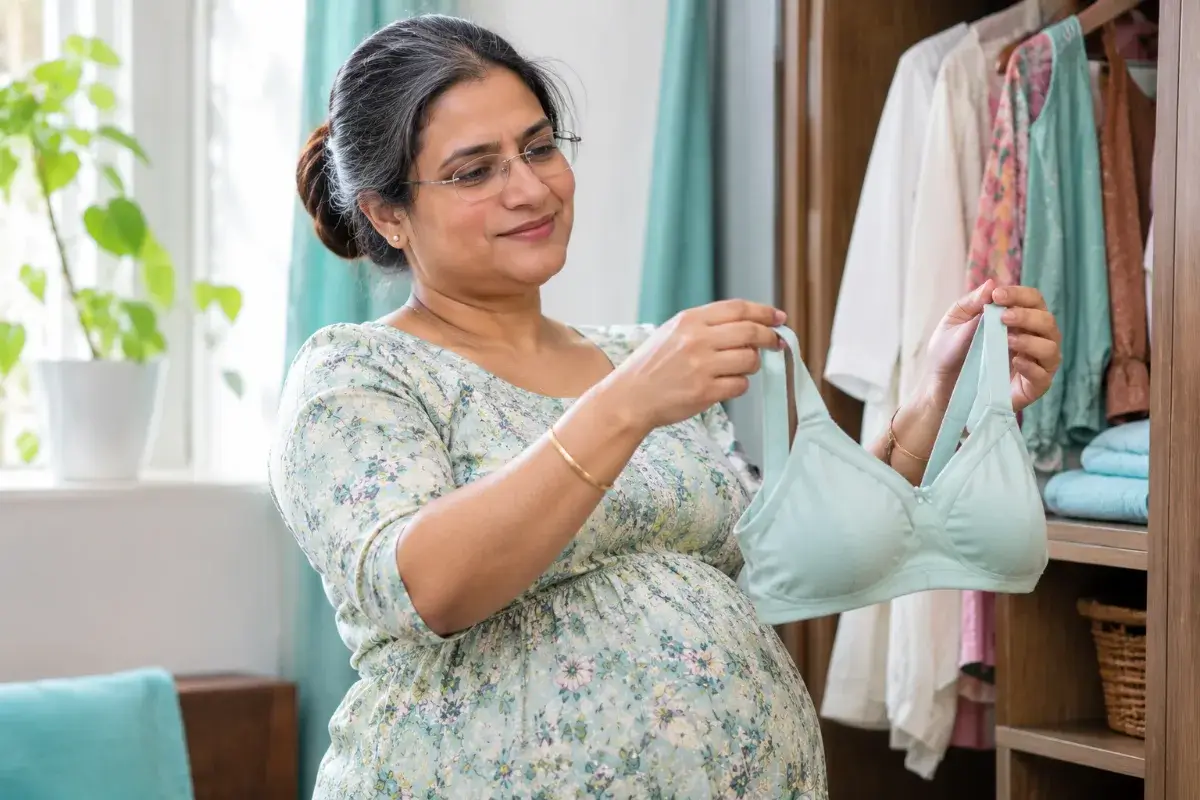
Choose a soft, non-wired maternity or nursing bra with wide straps. Opt for soft, breathable fabrics without underwire, which can dig into your skin and cause discomfort.
Many women find relief by wearing a soft bra at night too. Although women are generally advised to take off their bras while sleeping, pregnant women are encouraged to wear one during sleep, as this can help reduce breast pain by supporting the breasts and minimizing pressure.
2. Use Warm or Cold Compresses
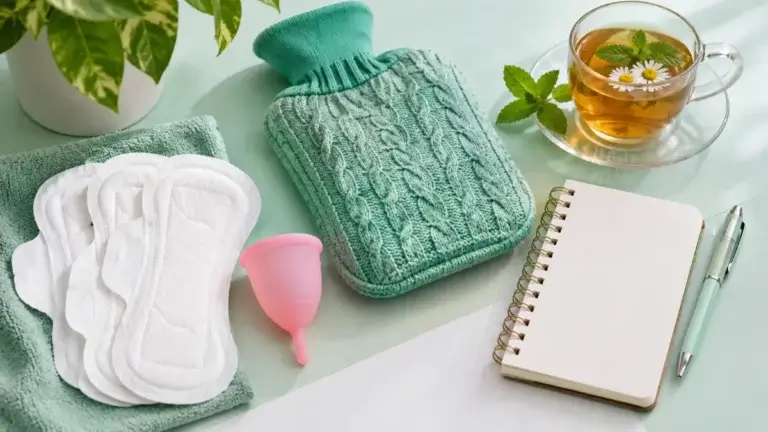
Both warm and cold compresses can soothe sore breasts. Warm compresses can relax breast tissue, while cold compresses can numb the pain. Use a clean cloth, not ice directly on the skin, for 10-15 minutes at a time.
3. Wear Loose, Soft Clothing
Tight clothes and seams can rub against tender breasts. Breast pain during pregnancy can also be caused by friction between sensitive breasts and clothing, so choosing loose-fitting clothes made from soft fabrics can reduce discomfort.
4. Stay Hydrated and Reduce Salt
Fluid retention can add to breast heaviness. Drinking enough water during pregnancy supports overall health and helps manage breast swelling and fluid retention. Cutting down on very salty foods, pickles and papad may also help.
5. Light Movement and Good Posture
Gentle activity and correct posture can ease overall discomfort. Light exercises such as walking or prenatal yoga can boost circulation and ease general pregnancy discomfort. Good posture reduces extra pressure on breast tissue.
6. Ask About Pain Relief Medicine
Do not take any painkiller on your own during pregnancy. If breast pain is interfering with your daily activities or sleep, speak with your doctor about safe pain-relief options, since NSAIDs such as ibuprofen should generally be avoided during pregnancy unless specifically advised by a healthcare professional. Your doctor may suggest a pregnancy-safe option if needed.
Myth vs Fact
| Myth | Fact |
|---|---|
| Breast pain always means a healthy pregnancy. | Breast pain easing or disappearing can also be normal; symptoms naturally fluctuate in the first trimester. |
| Massaging breasts hard reduces pain faster. | Gentle handling is better; hard massage can increase soreness and irritation. |
| Any painkiller is fine for breast pain in pregnancy. | NSAIDs like ibuprofen should be avoided unless a doctor prescribes them. |
| A lump found during pregnancy is always cancer. | Most lumps are harmless cysts or clogged ducts, but any lump should still be checked by a doctor. |
When to See a Doctor
Most breast pain during pregnancy is harmless, but some signs need prompt medical attention.
- Pain in only one breast, especially if severe or worsening
- A new hard lump that does not go away
- Redness, warmth or a wedge-shaped red patch on the skin
- Fever, chills or flu-like symptoms along with breast pain
- Nipple discharge with blood or pus
- Pain that lasts daily for more than three weeks or disrupts sleep and daily life
These symptoms can point to an infection such as mastitis. Mastitis is swelling and redness of breast tissue that sometimes involves an infection, and besides swelling and redness, it causes breast pain and warmth, with infection also causing fever and chills. If you notice these signs, contact your gynaecologist promptly, or go to the nearest hospital or call 108/112 if you feel very unwell.
Breast Pain vs PMS: How Are They Different?
Many women confuse early pregnancy breast pain with PMS soreness. The table below highlights the key differences.
| Feature | PMS Breast Pain | Pregnancy Breast Pain |
|---|---|---|
| Timing | Starts a few days before periods, eases once periods start | Can start 1-2 weeks after conception and continue beyond expected period date |
| Duration | Usually short, a few days | Often lasts through the first trimester or longer |
| Intensity | Mild to moderate | Can feel more intense and persistent |
| Other signs | Bloating, mood changes before periods | Missed period, nausea, fatigue, frequent urination |
If your periods are late and you have breast soreness, a home pregnancy test can help confirm pregnancy early.
Diet and Lifestyle Tips for Indian Pregnant Women
A balanced pregnancy diet will not stop breast pain completely, but it can support overall comfort.
- Include dal, curd, fruits and green vegetables for overall nourishment
- Limit pickles, papad and packaged snacks that are high in salt
- Drink adequate water through the day to reduce fluid retention
- Avoid excess tea or coffee, as caffeine may add to breast discomfort for some women
For guidance on foods to avoid in early pregnancy, you can also read about what not to eat in the first 3 months of pregnancy.
Conclusion
Breast pain during pregnancy is usually a normal sign of hormonal changes and is rarely something to worry about. A supportive bra, compresses and loose clothing can ease most discomfort safely. Watch for one-sided pain, fever, redness or a lump, and speak to your gynaecologist if these appear or if the pain feels unusual.
Frequently Asked Questions
Q. How early does breast pain start in pregnancy?
Breast pain can start as early as 1-2 weeks after conception, often before a missed period, due to rising pregnancy hormones.
Q. Is it normal if breast pain suddenly stops in early pregnancy?
Yes, breast tenderness naturally comes and goes in the first trimester, and a temporary drop in soreness does not usually mean something is wrong.
Q. Does breast pain in pregnancy go away on its own?
Yes, in most women breast tenderness often eases on its own as pregnancy progresses, though some discomfort can return in the third trimester.
Q. Can I use a cold compress or ice pack on painful breasts during pregnancy?
Yes, a cold compress wrapped in a clean cloth can numb breast pain safely; a warm compress can also help relax the tissue.
Q. Can breast pain during pregnancy mean something is wrong with the baby?
No, ordinary breast soreness does not affect the baby. Only concerning signs like fever, redness or a hard lump need urgent medical checking.
Q. Should I stop wearing a bra at night if my breasts hurt?
No, wearing a soft, supportive bra at night often reduces pain by limiting breast movement and pressure.
References
Disclaimer: This article is for general information only and is not a substitute for professional medical advice, diagnosis or treatment. Always consult a qualified doctor for any health concern.