

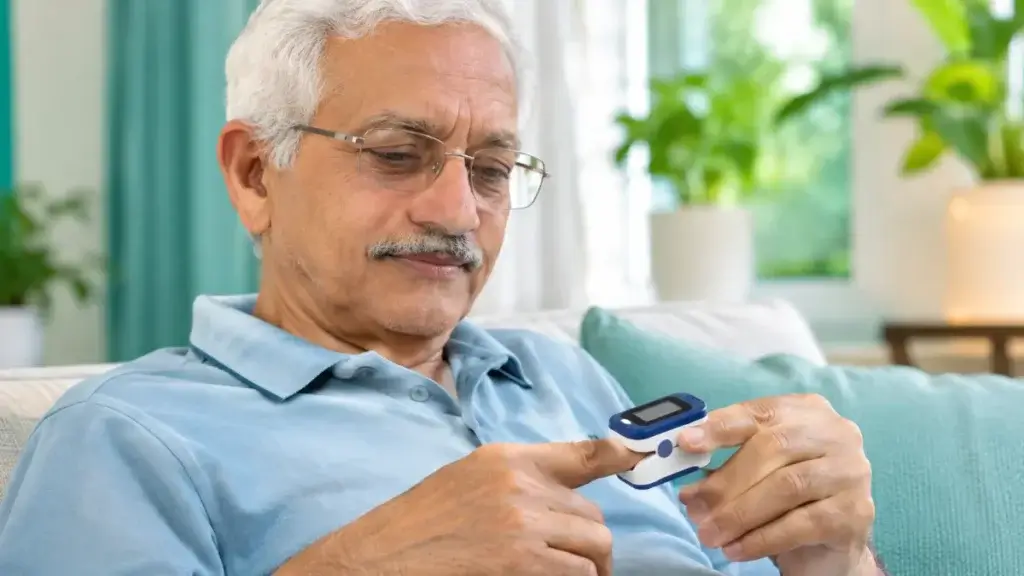
A normal oxygen level (SpO2) is usually between 95% and 100% for most healthy adults, children and older people, measured with a device called a pulse oximeter. A reading that stays below 92% needs medical advice, and below 88% is a medical emergency.
Quick Answer – Key Takeaways
- Normal SpO2 level: 95% to 100% for most healthy people, at any age
- 90% to 94% is a caution zone, especially if you also feel unwell
- Below 90% is low oxygen (hypoxemia) and needs prompt medical care
- Below 88% is a medical emergency, go to the nearest hospital
- Newborns, elderly people, and those with COPD or heart disease may have a slightly different normal baseline
What Is a Normal Oxygen Level (SpO2)?
SpO2 stands for peripheral oxygen saturation. It tells you what percentage of the haemoglobin in your blood is carrying oxygen.
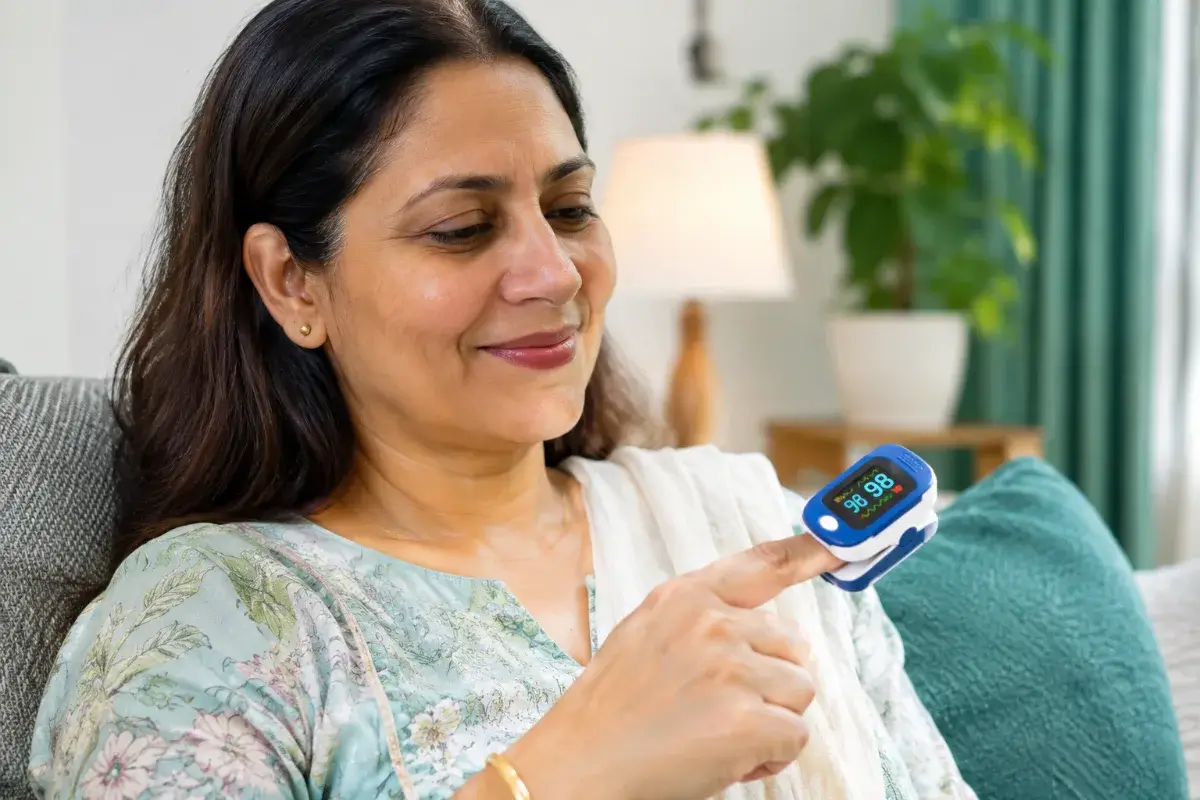
It is measured using a small clip-on device called a pulse oximeter, usually placed on a fingertip. Cleveland Clinic explains that a normal oxygen level is 95% to 100% for all ages, and you generally want a reading higher than 92%.
This number is different from “oxygen level” in air. SpO2 is about how well your blood is carrying the oxygen you breathe in, not the oxygen percentage in the room.
Normal Oxygen Level Chart by Age
The normal SpO2 level does not change much with age in healthy people, but a few groups have slightly different ranges.
| Age Group / Condition | Typical Normal SpO2 |
|---|---|
| Adults (healthy, at sea level) | 95% – 100% |
| Children (healthy) | 95% – 100% |
| Newborns (first few minutes of life) | Rises gradually to 95% – 100% |
| Elderly (65+ years, otherwise healthy) | 95% – 100%, sometimes close to the lower end |
| People with COPD or chronic lung disease | May have a doctor-set lower target, often 88% – 92% |
| People living at high altitude | Can be lower than sea-level values and still be normal for them |
If you have a lung or heart condition, ask your doctor what SpO2 range is “normal” for you specifically, rather than comparing yourself to a general chart.
Normal SpO2 Level – When Is It Low or Dangerous?
A single low reading is not always an emergency, but a persistently low normal oxygen level reading is a warning sign.
| SpO2 Reading | What It Usually Means | What To Do |
|---|---|---|
| 95% – 100% | Normal for most healthy people | No action needed |
| 92% – 94% | Slightly low, borderline | Recheck reading, monitor symptoms closely |
| 90% – 91% | Low oxygen (mild hypoxemia) | Contact a doctor the same day |
| Below 90% | Low oxygen, clinically significant | Seek medical care promptly |
| 88% or lower | Dangerously low | Emergency care, call 108/112 or go to hospital |
MedlinePlus advises contacting a health care provider if a home reading stays at 92% or lower, and seeking immediate medical attention at 88% or lower. During illness in India, the Ministry of Health and Family Welfare’s home isolation guidance for COVID-19 also set 95% SpO2 as the normal cut-off, advising immediate referral to a doctor if it fell below this.
Symptoms of Low Oxygen Level (Hypoxemia)
Low oxygen does not always cause obvious symptoms early on, which is why checking the actual number matters.
- Shortness of breath, even at rest
- Fast breathing or fast heartbeat
- Unusual tiredness, weakness or restlessness
- Confusion or difficulty staying alert
- Headache
- Bluish tinge to lips, nails or fingertips (cyanosis)
- Chest pain or tightness
If you notice these signs along with a low pulse oximeter reading, do not wait to see if it improves on its own.
What Causes Low Oxygen Levels?
Several health conditions can lower your SpO2 below the normal oxygen level range.
- Lung conditions such as asthma, COPD, pneumonia or tuberculosis
- Respiratory infections, including viral fever, flu or COVID-19
- Heart conditions that affect how blood is pumped and oxygenated
- Severe anaemia, since fewer healthy red blood cells carry less oxygen
- Sleep apnoea, where breathing repeatedly stops during sleep
- Living or travelling at high altitude, where air has less oxygen
If you often feel breathless or fatigued, it is worth checking for iron deficiency, since low haemoglobin reduces how much oxygen your blood can carry. Our guide on signs of iron and calcium deficiency in women can help you spot early warning signs.
How to Check Your Oxygen Level at Home
A fingertip pulse oximeter is widely available in Indian pharmacies and gives a quick reading at home.
- Warm your hands and remove nail polish or artificial nails if any.
- Sit quietly for a few minutes before testing; avoid testing right after exercise.
- Rest your hand on a table at heart level and clip the device onto a finger.
- Stay still and wait 30-60 seconds for the reading to settle.
- Note both the SpO2 percentage and the pulse rate shown.
Cold hands, poor circulation, movement and nail polish can all cause a falsely low reading, so always recheck before panicking over one number.
Normal Oxygen Level During Fever, Viral Infections and Covid-19
During a fever or chest infection, it is common for doctors in India to ask patients to monitor SpO2 at home, especially if breathing feels laboured.
A reading that stays at or above 95% is generally reassuring, while a drop below 94-95% on room air, along with breathlessness, should prompt a doctor’s review. If your child or a family member has a high fever with fast or difficult breathing, see our detailed guide on viral fever symptoms, treatment and duration for more on when to seek care.
How to Maintain a Healthy Oxygen Level
You cannot “boost” a already-normal oxygen level much higher, but these habits support healthy lungs and good oxygen delivery.
- Practice slow, deep breathing exercises daily to strengthen lung capacity.
- Avoid smoking and limit exposure to smoke, dust and heavy outdoor pollution.
- Stay physically active with regular walking or light exercise, as your doctor allows.
- Treat chest infections, fever or asthma flare-ups promptly instead of ignoring them.
- Sleep on your side or in a comfortable position if you have breathing difficulty.
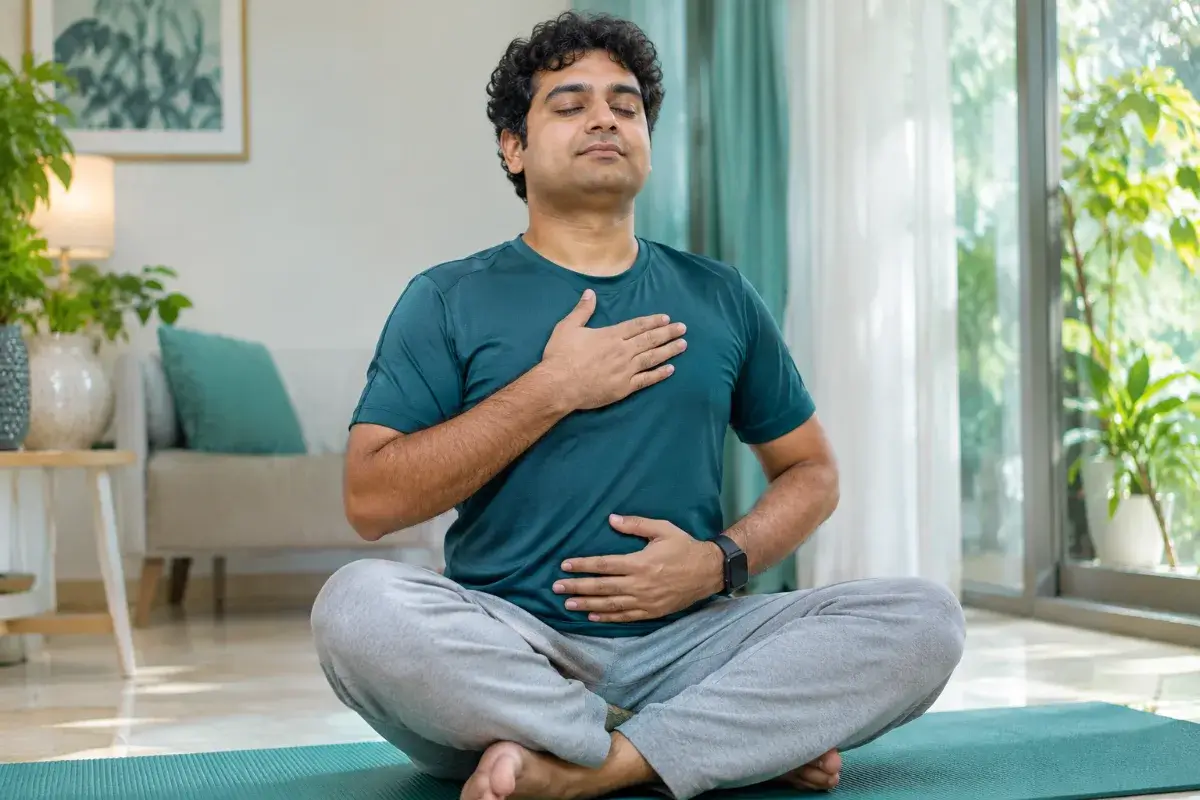
Simple daily breathing practices can also help your lungs work more efficiently. Learn safe techniques in our article on breathing techniques to strengthen your lungs.
Myth vs Fact
| Myth | Fact |
|---|---|
| A pulse oximeter reading is always 100% accurate | Cold hands, nail polish and movement can affect accuracy; always recheck a low reading |
| Deep breathing can instantly cure low oxygen | Breathing exercises support lung health but cannot replace medical treatment for a genuinely low SpO2 |
| Only elderly people get low oxygen levels | Infections, asthma, anaemia and COVID-19 can lower oxygen levels at any age |
| If you feel fine, your oxygen level cannot be low | Some people, especially during COVID-19, had low SpO2 without feeling breathless (“silent hypoxia”) |
Who Should Be Extra Careful About Oxygen Levels?
- People with COPD, asthma or other chronic lung disease
- People with heart disease, including those recovering after a heart attack
- Pregnant women, especially with pre-existing lung or heart conditions
- Elderly people, particularly those living alone
- People recovering from COVID-19 or a recent chest infection
- Smokers and people with uncontrolled diabetes
If you or a family member has had heart trouble recently, it is also worth reading about why heart attack cases have been rising after COVID-19 and why monitoring vitals matters.
When to See a Doctor
Do not wait if you notice any of these red-flag signs.
- SpO2 reading consistently below 92%, even after rechecking
- SpO2 below 88%, or a sudden drop of 3-4 points from your usual baseline
- Severe or worsening breathlessness, even at rest
- Bluish lips, face or fingertips
- Chest pain, pressure or tightness
- Confusion, extreme drowsiness or difficulty staying awake
For any of these emergency signs, go to the nearest hospital immediately or call 108 or 112.
Conclusion
A normal oxygen level for most healthy people is 95% to 100%, checked easily with a home pulse oximeter. Treat any reading below 92% as a reason to contact a doctor, and below 88% as an emergency.
If you have a lung or heart condition, discuss your personal safe SpO2 range with your doctor rather than relying only on general charts.
Frequently Asked Questions
Q. What is considered a normal oxygen level for adults in India?
A normal SpO2 for healthy adults in India is the same as the global standard, 95% to 100%, measured at sea level with a pulse oximeter.
Q. Is an oxygen level of 94% dangerous?
94% is slightly below the typical range and is usually seen as borderline rather than an emergency. Recheck the reading and consult a doctor if it repeats or comes with symptoms like breathlessness.
Q. What is a normal SpO2 level for children and newborns?
Healthy children usually show the same 95% to 100% range as adults. Newborns may start slightly lower right after birth but should rise into this normal range within minutes.
Q. Can anxiety cause a low pulse oximeter reading?
Anxiety can increase breathing and heart rate, but it does not usually lower true SpO2 readings. If your oximeter shows a genuinely low number, treat it as a medical sign rather than “just anxiety.”
Q. What oxygen level is normal for COPD or lung disease patients?
Some people with COPD are advised by their doctor to maintain a slightly lower target range, often 88% to 92%. This should always be a specific target set by a doctor, not a self-decided number.
Q. How can I naturally improve a low oxygen level at home?
Breathing exercises, good posture, avoiding smoke, and treating the underlying illness can support healthy breathing. A persistently low SpO2 still needs medical evaluation, not just home remedies.
References
Disclaimer: This article is for general information only and is not a substitute for professional medical advice, diagnosis or treatment. Always consult a qualified doctor for any health concern.