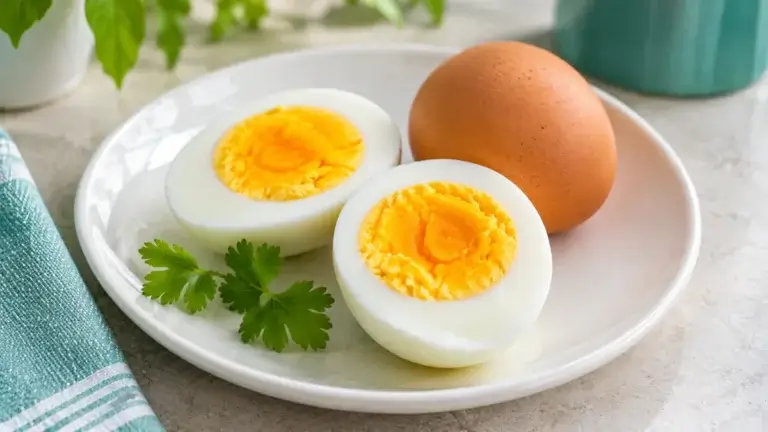
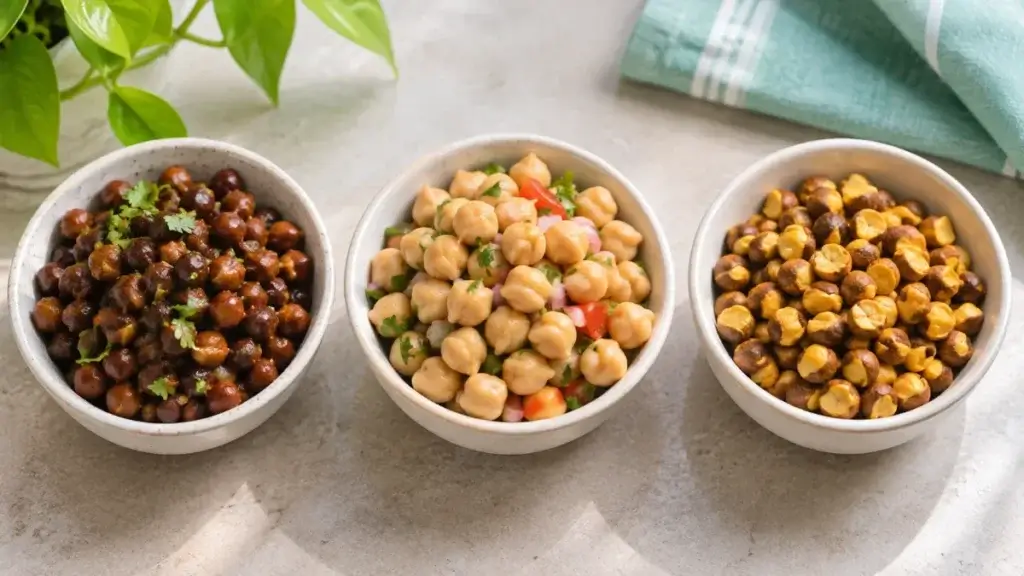
Protein in chana ranges from about 19-20 g per 100 g in raw (dry) chana to about 8.9 g per 100 g once boiled, and 18-22 g per 100 g in roasted chana, because cooking and roasting change the water content, not the actual protein.
Quick Answer – Key Takeaways
- Raw kala chana and kabuli chana both have roughly 19-20 g protein per 100 g.
- Boiled or cooked chana has about 8.9 g protein per 100 g because it absorbs water.
- Roasted chana (bhuna chana) stays protein-dense at around 18-22 g per 100 g.
- Kala chana and kabuli chana have almost the same protein, with kala chana slightly higher in fibre and iron.
- Chana protein is plant-based and works best when paired with rice, roti or dal for a complete amino acid profile.
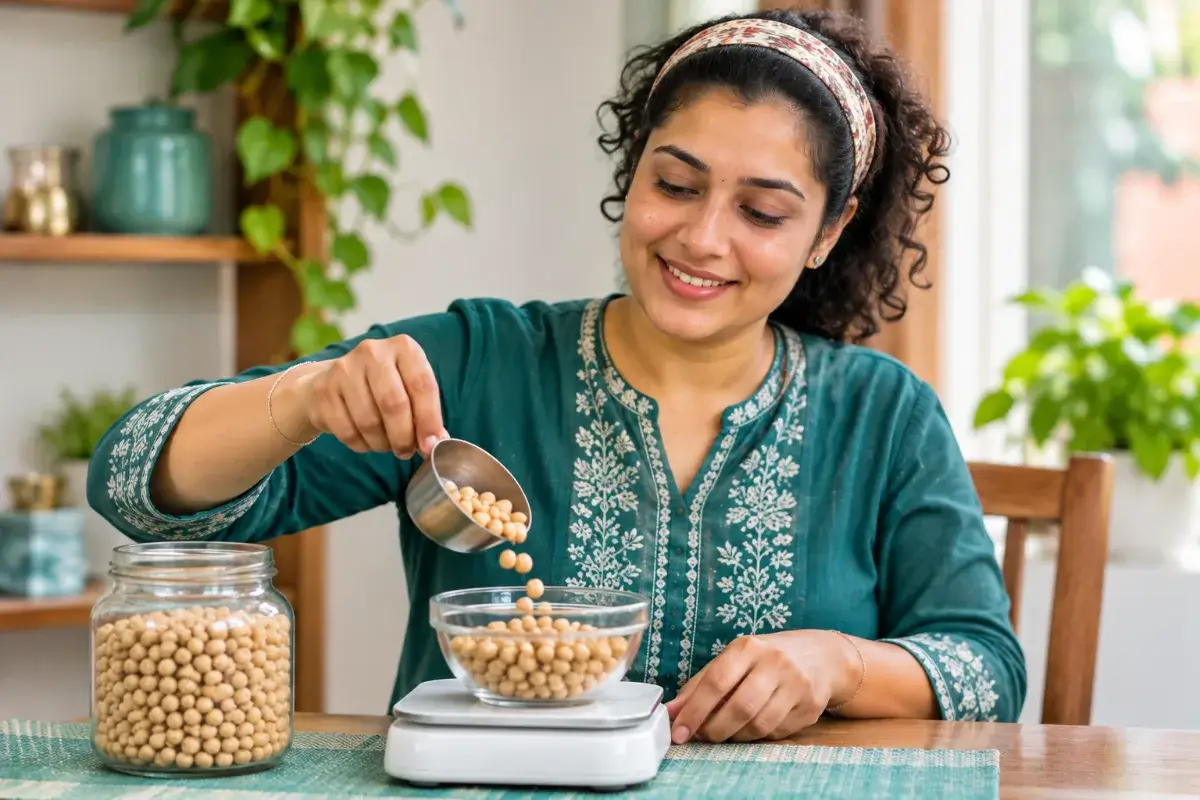
Protein in 100 gm Chana: Raw, Cooked and Roasted
The amount of protein in 100 gm chana depends heavily on whether it is raw, boiled or roasted. Cooking adds water weight, which lowers the protein per 100 g even though the total protein in the chana does not actually reduce.
| Form of Chana | Protein per 100 g | Why It Differs |
|---|---|---|
| Raw, dry chana (whole) | ~19-20 g | Lowest water content, most concentrated protein |
| Boiled or cooked chana | ~8.9 g | Absorbs water during soaking and boiling |
| Roasted chana (bhuna chana) | ~18-22 g | Roasting removes moisture rather than adding it |
| Sattu (roasted chana flour) | ~20-22 g | Ground from roasted chana, so water content stays low |
According to USDA FoodData Central, raw chickpeas (bengal gram) provide close to 20 g protein, 63 g carbohydrate and over 12 g fibre per 100 g. Chickpea raw nutrition per 100 grams shows a glycemic index of 36 with calories of 378 and protein of around 20.47 grams, sourced from USDA data.
Once boiled, the picture changes a lot. Boiled, unsalted chickpeas have about 164 calories and 8.86 grams of protein per 100 grams, according to USDA data. This is the number most Indian households actually eat when chana is used in chole or chana masala.
Roasted Bengal gram is listed in Indian nutritive value tables from the National Institute of Nutrition at about 22 g of protein per 100 g. This is why bhuna chana remains a popular high-protein snack across India.
Kala Chana vs Kabuli Chana vs Roasted Chana: Protein Compared
Kala chana (black chana) and kabuli chana (white chickpeas) have almost the same protein content when compared raw. The real difference between them lies in fibre, iron content and glycaemic index rather than protein alone.
| Type | Protein (Raw, per 100 g) | Other Notable Points |
|---|---|---|
| Kala chana (black chickpea) | ~19-20 g | Higher fibre, lower glycaemic index, more iron |
| Kabuli chana (white chickpea) | ~19-20 g | Larger size, used in chole and hummus, slightly milder taste |
| Roasted chana (either variety) | ~18-22 g | Ready-to-eat snack, no added oil needed |
Whichever variety you choose, chana remains one of the most affordable vegetarian protein foods in India. If you want more plant-based options beyond chana, see this list of high protein vegetarian foods in India for weight loss and muscle building.
Is Chana a Complete Protein?
No, chana is not a complete protein on its own. Like most pulses, it is lower in the amino acid methionine, so it works best when combined with cereals such as rice, wheat or millets.
Pairing chana with roti, rice or dal gives the body a more balanced mix of essential amino acids across the day. This is a traditional Indian eating pattern that already does this well, such as chana dal with roti or chole with rice.
How Much Chana Should You Eat Daily for Protein?
There is no fixed “chana quota,” but it fits well within India’s recommended daily pulse intake. The ICMR-National Institute of Nutrition Dietary Guidelines for Indians (2024) recommend including an adequate daily portion of pulses and legumes as part of a balanced plate for good quality protein and fibre.
For overall protein needs, the NIN’s protein requirement guidance is useful context. The recommended dietary allowance for healthy Indian adults works out to about 0.83 g of protein per kg body weight per day.
In practical terms, a 60 kg adult needs roughly 50 g of protein a day from all foods combined, not from chana alone. A regular katori (about 30 g raw) of chana as dal, chole or a sprouted salad, eaten a few times a week, comfortably fits into this.
Other Health Benefits of Chana
Beyond protein, chana offers fibre, iron, folate and slow-releasing carbohydrates that are useful for everyday Indian diets.
- Fibre: Supports digestion and helps you feel full for longer.
- Iron: Kala chana in particular is a helpful plant source of iron, important for women prone to anaemia.
- Low glycaemic index: Chana releases sugar into the blood slowly, which is useful for people managing blood sugar.
- Folate: Important for red blood cell formation and relevant during pregnancy planning.
Women dealing with fatigue, pale skin or frequent weakness may want to check for nutrient gaps. Read about iron and calcium deficiency symptoms in women to understand the warning signs.
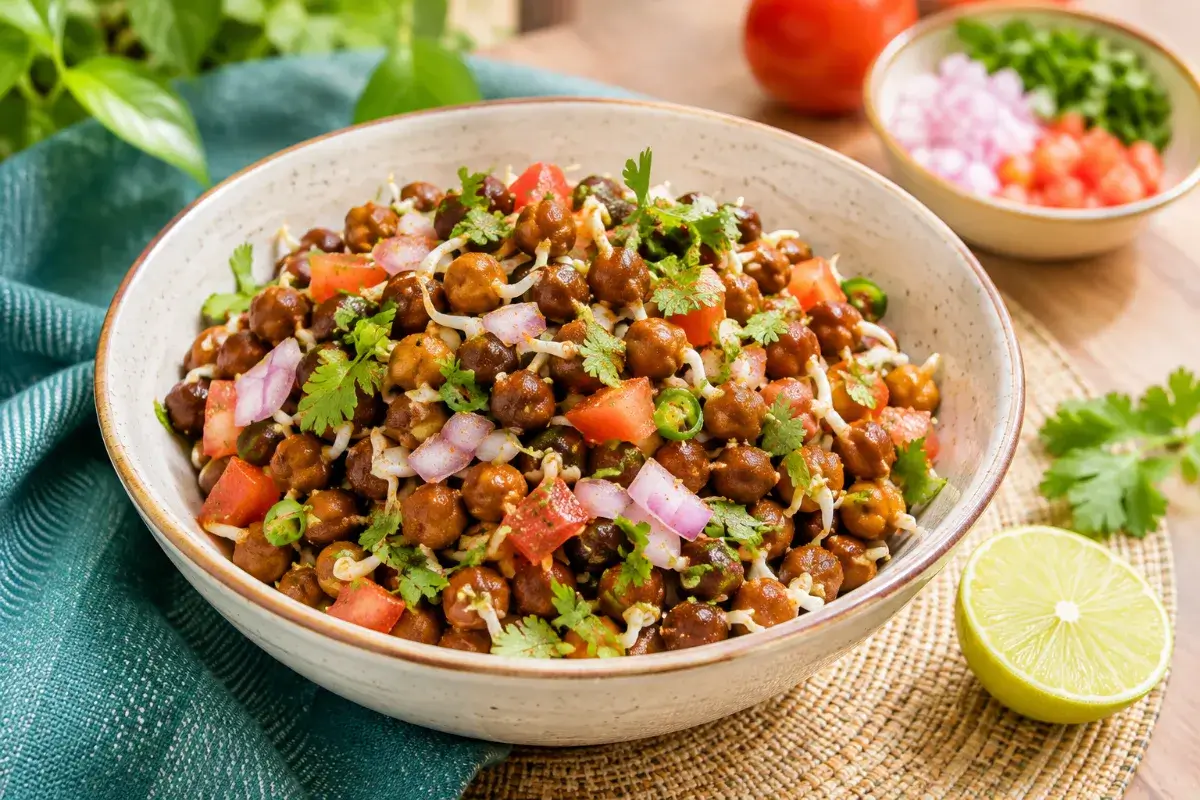
Myth vs Fact About Protein in Chana
| Myth | Fact |
|---|---|
| Cooking chana destroys most of its protein. | Cooking does not destroy protein. The drop in grams per 100 g happens because chana absorbs water and weighs more. |
| Roasted chana has less protein than raw chana. | Roasted chana keeps a similar or even higher protein density per 100 g because roasting removes moisture instead of adding it. |
| Chana alone can replace all protein needs. | Chana is a good plant protein but works best combined with cereals like rice or roti for a fuller amino acid profile. |
| Kabuli chana is always better than kala chana. | Both have similar protein. Kala chana usually has more fibre and iron, while kabuli chana is milder in taste. |
Who Should Be Careful with Chana?
Chana is generally safe and nutritious for most people, but a few groups should be cautious.
- People with gout or high uric acid, since pulses in large amounts can raise purine intake.
- People with irritable bowel syndrome (IBS) or frequent bloating, as chana can cause gas in some people.
- People with kidney disease should check portion sizes with their doctor, as pulses are protein and mineral dense.
- Pregnant women can include chana as part of a balanced diet, but should avoid very large or poorly soaked portions that cause bloating. See this guide on foods to avoid in the first 3 months of pregnancy for more context.
- Anyone with a known legume or pulse allergy should avoid chana and consult a doctor.
When to See a Doctor
Chana is a food, not a treatment, so persistent symptoms need medical attention rather than diet changes alone.
- Severe bloating, stomach pain or vomiting after eating chana regularly.
- Signs of a food allergy such as swelling, rash or breathing difficulty.
- Ongoing fatigue, pale skin or breathlessness that may point to anaemia despite a protein-rich diet.
- Uncontrolled blood sugar or kidney symptoms despite dietary changes.
For any of these, consult a doctor or visit the nearest hospital. In a medical emergency, call 112 or 108 immediately.
Conclusion
Protein in chana is highest in its raw, dry form and drops per 100 g once boiled simply because of water absorption, not protein loss. Roasted chana and sattu keep protein levels close to raw chana, making them handy high-protein snacks.
For most Indian readers, the simplest approach is to eat chana regularly in any form you enjoy, paired with rice, roti or dal, rather than chasing one “perfect” number. If you have a specific health condition like kidney disease, gout or diabetes, check your ideal pulse portion with a doctor or dietitian.
Frequently Asked Questions
Q. How much protein is in 100 gm chana?
Raw chana has about 19-20 g of protein per 100 g, while boiled chana has about 8.9 g per 100 g due to water absorption during cooking.
Q. Does kala chana have more protein than kabuli chana?
The difference is very small. Both usually sit around 19-20 g protein per 100 g raw, with kala chana slightly ahead in fibre and iron.
Q. Is roasted chana a good protein snack?
Yes, roasted chana (bhuna chana) keeps protein levels close to raw chana, at roughly 18-22 g per 100 g, making it a convenient high-protein snack.
Q. Can I eat chana every day for protein?
Most healthy adults can eat chana a few times a week or even daily in reasonable portions, as long as it is part of a varied diet. People with gout, kidney issues or IBS should check portion size with a doctor.
Q. Is chana a complete protein like eggs or paneer?
No, chana is a plant protein that is lower in the amino acid methionine, so pairing it with rice, roti or other cereals gives a more complete amino acid profile.
Q. Does soaking chana reduce its protein content?
Soaking mainly softens chana and improves digestibility. Any apparent drop in protein per 100 g is again due to water weight, not real protein loss.
References
Disclaimer: This article is for general information only and is not a substitute for professional medical advice, diagnosis or treatment. Always consult a qualified doctor for any health concern.