
How to increase sperm count naturally involves eating a balanced diet rich in zinc, folate and antioxidants, staying physically active, maintaining a healthy weight, avoiding smoking and excess alcohol, and keeping the testicles cool. Most men see gradual improvement over 2-3 months of consistent changes.
Quick Answer – Key Takeaways
- A low sperm count is fewer than 15 million sperm per millilitre of semen or less than 39 million sperm total, as per Mayo Clinic.
- Diet, exercise, weight control, quitting smoking and limiting alcohol are the most evidence-backed natural ways to increase sperm count.
- Good sperm count increase foods include walnuts, eggs, spinach, bananas, pumpkin seeds, fatty fish and tomatoes.
- Heat exposure to the scrotum, tight underwear, stress and obesity can lower sperm count.
- See a doctor if you and your partner have not conceived after one year of trying, or if you notice pain, swelling or sexual problems.
What Is a Normal Sperm Count?
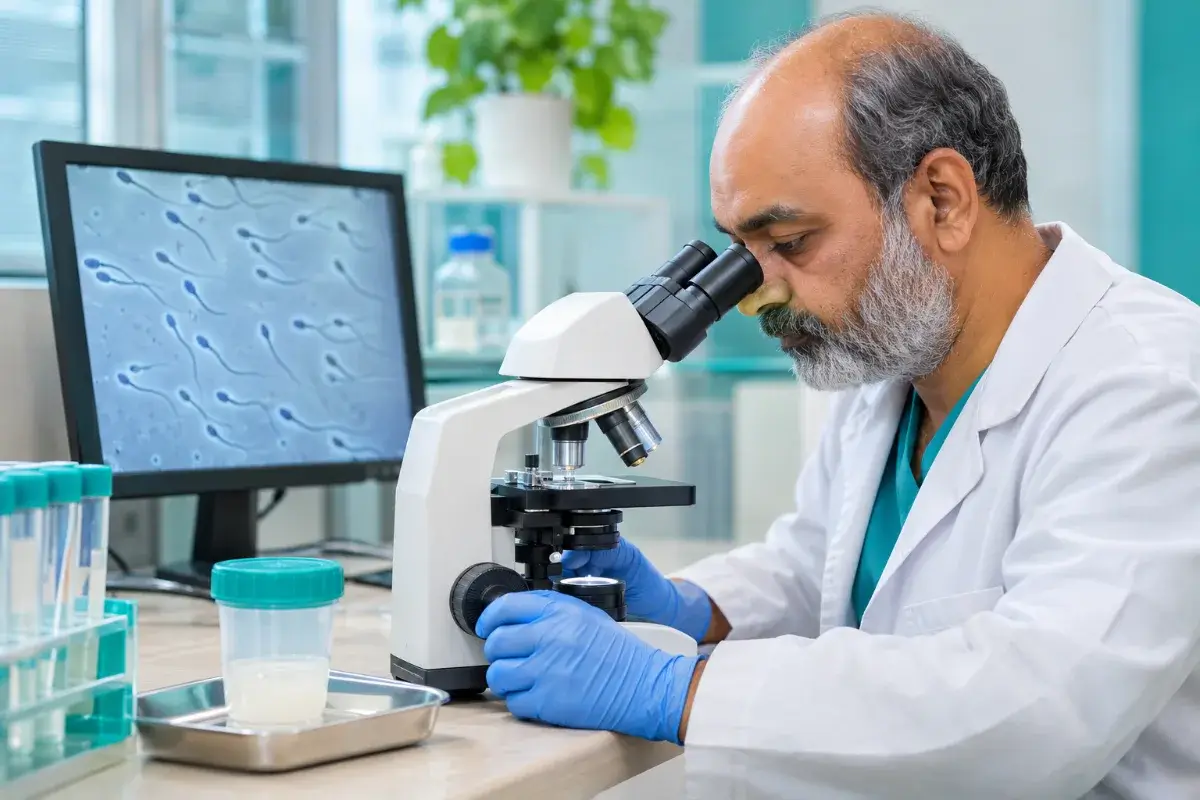
Sperm count is the number of sperm present in one sample of semen. It is checked through a semen analysis test.
A low sperm count means fewer than 15 million sperm in each millilitre, or less than 39 million sperm in the total sample. This condition is called oligospermia.
A lower sperm count does not always mean infertility, but it reduces the chances of natural pregnancy. Many men with low counts have no other symptoms at all.
What Causes Low Sperm Count?
Low sperm count can happen due to medical conditions, environmental factors or lifestyle habits.
- Varicocele: a swelling of the veins that drain the testicle, which is a common cause of male infertility.
- Infections: including sexually transmitted infections, which can affect sperm count and fertility.
- Hormonal imbalances: changes in thyroid, adrenal or testosterone levels can lower sperm production.
- Heat exposure: overheating the scrotum from hot baths, saunas or tight clothing can affect sperm count and function.
- Lifestyle factors: smoking, heavy alcohol use, obesity, stress, poor diet and lack of exercise.
- Environmental toxins: long-term exposure to industrial chemicals, pesticides and heavy metals.
Unprotected sex increases STI risk, which can silently damage fertility. Our guide on early STI symptoms men and women often ignore explains the warning signs to watch for. Chronic viral infections such as HIV can also affect reproductive health, so safe sex and regular testing matter.
How to Increase Sperm Count Naturally Through Diet
A nutrient-rich diet is one of the most practical answers to how to increase sperm count without medicines. Certain foods supply the vitamins and minerals sperm cells need to grow and move well.
Best Sperm Count Increase Foods
| Food | Key Nutrient | How It Helps |
|---|---|---|
| Walnuts | Omega-3 fatty acids, zinc | May improve sperm motility and overall sperm health |
| Eggs | Vitamin D, protein | Supports hormone balance and sperm production |
| Spinach and leafy greens | Folic acid (folate) | Linked to fewer sperm abnormalities |
| Fatty fish (rohu, sardines, mackerel) | Omega-3 fats, vitamin B12 | May support sperm count and motility |
| Pumpkin seeds | Zinc | Zinc is linked to healthy testosterone and sperm quality |
| Tomatoes | Lycopene, vitamin C | Antioxidant that may protect sperm from damage |
| Bananas | Vitamins A, B1, C | Supports healthy sperm production |
| Fenugreek seeds (methi) | Antioxidants | Traditionally used to support male fertility |
If you are vegetarian, you can still get most of these nutrients. Check our list of high protein vegetarian foods in India to build a fertility-friendly diet.
Limit processed meats, fried snacks, sugary drinks and trans fats, as these are linked to poorer sperm quality in several studies.
Lifestyle Changes to Increase Sperm Count
Diet alone is not enough. Daily habits play an equally big role in sperm health.
- Exercise regularly: moderate activity most days supports healthy hormone levels and blood flow to the testes.
- Maintain a healthy weight: obesity is linked with lower testosterone and poorer sperm parameters.
- Quit smoking: smoking may lower sperm count and quality.
- Limit alcohol: heavy drinking can lower testosterone and sperm count.
- Keep testicles cool: wear loose fitting underwear, since tight underwear can raise scrotal temperature and affect sperm quality.
- Manage stress: chronic stress can disturb hormone balance needed for sperm production.
- Get enough sleep: poor sleep is linked to lower testosterone levels.
- Avoid laptops on the lap and long hot baths or saunas, which raise scrotal temperature.
Having sex every 2 to 3 days without contraception can also improve the chances of natural conception while you work on sperm health.
Do Supplements Help Increase Sperm Count?
Some supplements show promise, but evidence is limited and results vary between men.
Never start high-dose supplements on your own. Talk to a doctor first, especially if you have diabetes, kidney disease, or take regular medicines, since some supplements can interact with medications.
Myth vs Fact About Sperm Count
| Myth | Fact |
|---|---|
| Frequent masturbation permanently reduces sperm count | It only causes a short, temporary dip; sperm production resumes quickly |
| Wearing a langot or tight underwear boosts fertility | Tight underwear raises scrotal temperature, which can lower sperm quality |
| Only women need fertility testing | Male factors contribute to roughly half of all infertility cases |
| Ayurvedic tonics alone can cure infertility | They may support general health but cannot replace medical diagnosis and treatment |

Medical Treatment for Low Sperm Count
If lifestyle changes are not enough, a doctor may suggest medical treatment based on the cause.
- Surgery: a varicocele can often be fixed with surgery, or a blocked vas deferens can be repaired.
- Hormone treatment: helps when infertility is caused by high or low levels of certain hormones.
- Treating infections: antibiotics may be prescribed only by a doctor for reproductive tract infections.
- Assisted reproduction: options such as IUI, IVF or ICSI may be recommended for persistent low counts.
Men with erectile or ejaculation problems alongside low sperm count should get both issues checked together. Read more about common causes of erectile dysfunction in men over 30 for related warning signs.
When to See a Doctor
Book a doctor’s appointment, ideally a urologist or fertility specialist, if you notice any of these:
- No pregnancy after one year of regular, unprotected sex (or 6 months if your partner is 35 or older).
- Pain, swelling or a lump in the testicle area.
- Low sex drive, erectile dysfunction or ejaculation problems.
- Reduced facial or body hair, or other hormone-related changes.
- A history of testicle, prostate or groin surgery or injury.
If you experience sudden, severe testicular pain or swelling, go to the nearest hospital immediately or call 112 / 108, as this can be a medical emergency.
Conclusion
Improving sperm count naturally takes consistent effort with diet, exercise, weight control and avoiding heat, smoking and excess alcohol. Most healthy changes need at least 2-3 months to show results, since sperm takes time to mature.
If you have been trying to conceive for over a year without success, do not wait longer. Get a semen analysis done and consult a doctor to find the exact cause and the right treatment.
Frequently Asked Questions
Q. How long does it take to increase sperm count naturally?
Most lifestyle and diet changes take about 2-3 months to show a visible difference, since new sperm takes roughly 2 to 3 months to fully develop.
Q. Which food is best for sperm count increase?
Walnuts, eggs, spinach, fatty fish, pumpkin seeds and tomatoes are commonly linked to better sperm count and quality, as part of an overall balanced diet.
Q. Can low sperm count be cured completely?
It depends on the cause. Some cases, like varicocele or hormone imbalance, can improve significantly with treatment, while others may need assisted reproduction options like IUI or IVF.
Q. Does masturbation reduce sperm count permanently?
No. It causes only a short-term, temporary drop in sperm count, and levels return to normal within a few days.
Q. Is it normal to have no symptoms with low sperm count?
Yes. Many men with low sperm count have no other symptoms and only find out while trying to conceive, since a semen analysis is needed to detect it.
Q. Can stress really lower sperm count?
Yes, chronic stress can disturb the hormones needed for sperm production, so managing stress through sleep, exercise and relaxation can support fertility.
References
Disclaimer: This article is for general information only and is not a substitute for professional medical advice, diagnosis or treatment. Always consult a qualified doctor for any health concern.